 July 8, 2025
 3 min read
Ecommerce email marketing uses permission-based messages to help people discover products, make informed purchases, and return when the store has something relevant to offer. It includes scheduled campaigns and repeatable automated flows.
The foundation is a trustworthy connection between the subscriber, the message, the products, and the store. A polished template cannot compensate for an unclear signup promise or incorrect product links.
Build four connected parts
Start with subscriptions. Explain what people will receive and make their choices usable in the sending system. Keep subscription status separate from the fact that someone has a customer account or placed an order. See the email subscription guide for the full path.
Next, define the messages. A campaign usually has a specific audience and send date. A flow responds to a configured event or schedule. Both need a useful purpose and a clear next action.
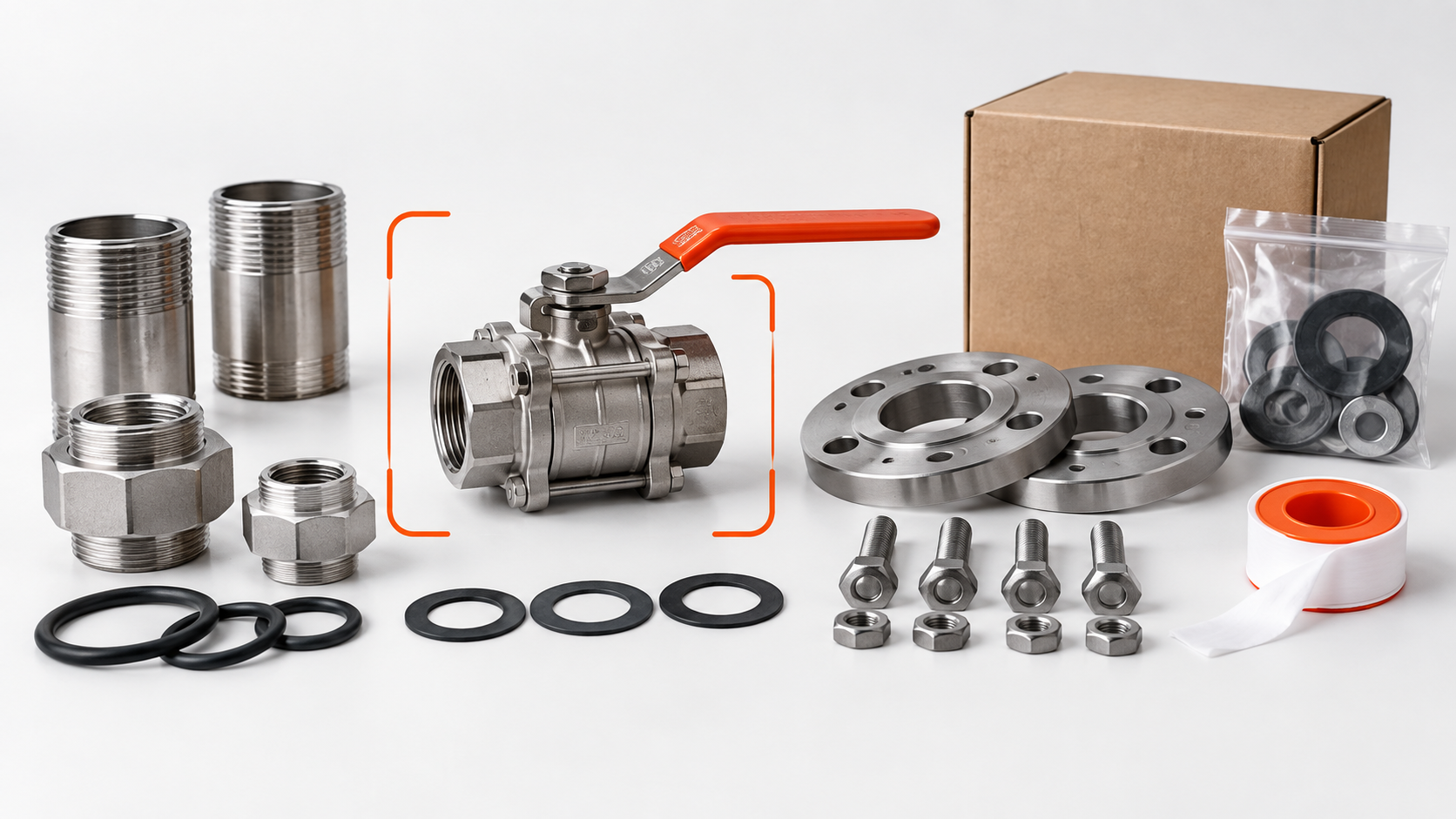
Then connect product content. The item shown must fit the message and be eligible for the customer and market. Check stock, price presentation, currency, and the destination. Personalized ranking works within these practical requirements.
Finally, decide how the programme will be operated and measured. Name an owner and record what success means before sending.
Choose a small starting programme
A store starting from an unreliable setup does not need many campaigns at once. First verify a subscription, a simple newsletter, and one repeatable customer journey.
For a newsletter, choose a clear theme and a limited selection. For automation, choose a customer need supported by reliable events. A welcome sequence may be easier to validate than a complex flow with several external dependencies.
Use the campaign runbook for preparation and approval. Use the automation guide when messages depend on event data and conditions.
Make product relevance explicit
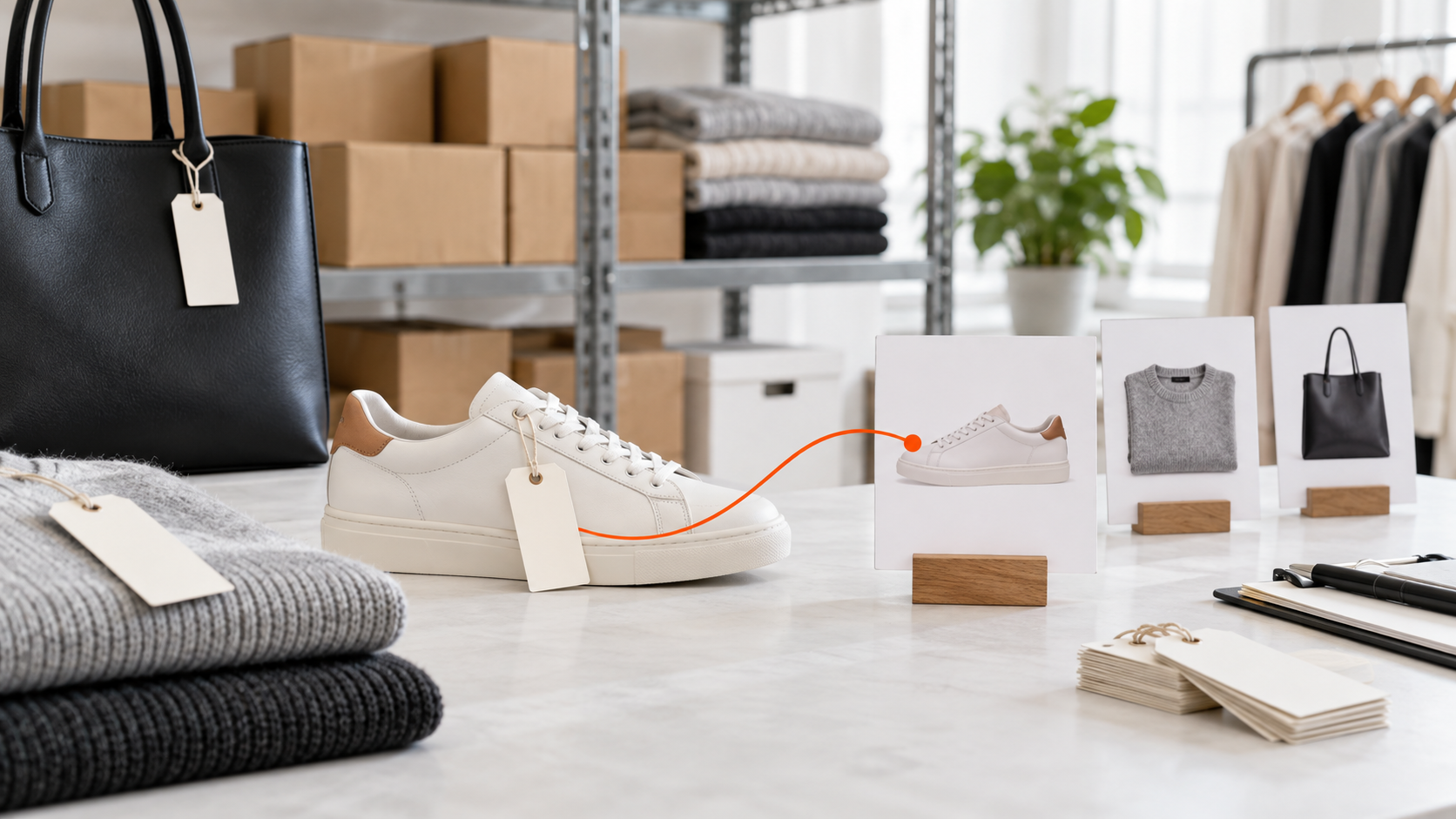
Specify why each product block exists. New arrivals, alternatives, complementary items, and replenishment products serve different needs. Do not use one generic recommendation everywhere.
Also distinguish who receives a message from which products appear in it. A category filter changes the product selection; it does not establish that the recipient is interested in the category.
Clerk Email supports newsletters, flows, and embeds in an external email platform. With embeds, your existing sender controls the recipients and delivery. Choose the model that fits your current operation.
Check sending and the delivered message
Complete domain and sender setup in the chosen platform. Gmail’s sender guidelines explain authentication and other sending requirements. Authentication is necessary for a sound setup, but it does not guarantee inbox placement.
Send test messages to controlled accounts. Inspect the mobile reading order, product data, main action, reply-to address, and unsubscribe path. Confirm schedule and time zone separately from the preview.
Read the results with care
Delivery, clicks, orders, contribution, and unsubscribes answer different questions. A message can generate clicks without helping the store make a worthwhile sale. It can also receive revenue credit for an order the customer would have placed anyway.
Use consistent attribution definitions, and compare similar audiences and periods. Where practical, controlled tests can help distinguish credited orders from incremental effects. Treat opens cautiously because mail privacy features affect their measurement.
After the first sends, fix the largest verified weakness: subscription quality, message relevance, product accuracy, or delivery. Add complexity only when the existing programme works and someone can maintain it.