

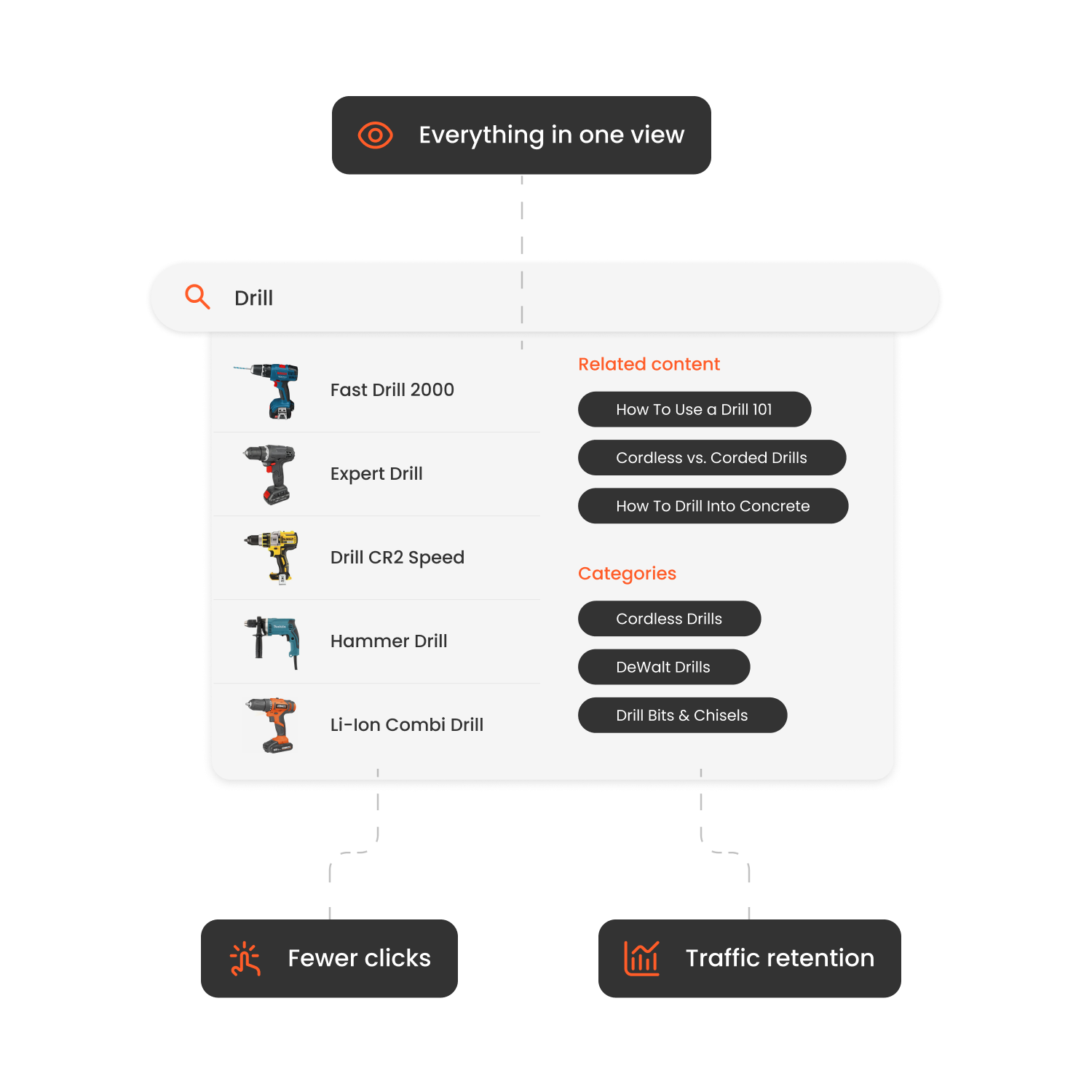

But on a real Shopify store, the way you recommend products is directly tied to profit. The right tool doesn’t just show random items - it quietly increases AOV, improves conversion and helps shoppers feel like your brand understands them. In this guide, we’ll explore what to look for in a product recommendation app, compare leading tools for 2026 and help you choose the best fit for your Shopify business.
Why the Right Product Recommendations App Matters for Shopify Stores
Product recommendations are one of the most reliable ways to increase AOV on Shopify. Shoppers often arrive on a single product from search or ads, and smart recommendation widgets can turn that one visit into a multi-item basket.
Without a strong recommendation engine, many merchants see low multi-item order share, modest conversion rates and high bounce rates from product pages. Upgrading your recommendation stack is key to improving discovery and revenue.
What to Look For: Key Features (and Why)
When evaluating Shopify upsell and cross-sell recommendation tools, these are the essential capabilities to consider:
1. Real-Time Personalization
The best product recommendation apps for Shopify personalize recommendations using live browsing and purchase behavior, adapting as the shopper interacts with the store.
2. Multiple Recommendation Logics
Leading tools support multiple logics across the journey, such as visitor-based recommendations, category bestsellers, alternatives on product pages and cross-sells in cart and checkout.
3. Design & Placement Control
Recommendation widgets should match your branding, work across different sections and integrate cleanly with Online Store 2.0 themes.
4. Merchandising Rules
Beyond AI, merchants need control to boost certain products, exclude low-stock items and promote seasonal or high-margin collections.
5. Analytics & Performance Tracking
A capable app provides analytics on revenue, AOV and conversion per widget, allowing you to test placements and optimize based on data.
| App | Pros | Cons | Price* |
|---|---|---|---|
| Clerk.io Recommendations | 20+ AI-driven product logics; cookieless personalization; works across homepage, category, product, cart and content pages; strong analytics and merchandising; part of a broader personalization suite. | Initial setup requires data sync and theme integration; best suited for stores serious about optimization. | Custom pricing |
| Rebuy Personalization Engine | Deep Shopify focus; strong cart and post-purchase upsells; robust A/B testing and analytics. | Setup and styling can be more involved; pricing scales with order volume. | Tiered pricing |
| Wiser - AI Upsell & Cross Sell | AI recommendations across store pages; bundles and frequently bought together; accessible entry tiers. | Advanced features require higher plans; pricing structure can feel complex. | Free / Paid plans |
| LimeSpot AI | Mature personalization platform; strong real-time recommendations; suitable for large catalogs. | More complex setup; steeper learning curve. | Tiered pricing |
| Shopify Search & Discovery | Free; native Shopify integration; basic related products setup. | Primarily rule-based; limited AI and testing capabilities. | Free |
How to Implement Product Recommendations on Shopify
-
Connect your Shopify store and sync product, order and customer data with your recommendation app.
-
Install the frontend script or app extension required to render recommendation widgets.
-
Create recommendation designs that match your branding and layout.
-
Set up recommendation elements per page type (homepage, category, product, cart, content).
-
Embed or inject widgets into your Shopify theme using sections, blocks or Liquid templates.
-
Test placement and performance across desktop and mobile devices.
-
Monitor analytics and iterate by adjusting logics, designs and merchandising rules.

How Hairlust Uses Clerk.io's Search and Recommendations to Boost Online Sales
Read moreFAQs
Shopify product recommendations vs third-party apps - what’s the difference?
Shopify’s native tools offer basic, rule-based recommendations and are free to use. Third-party apps provide deeper AI, more recommendation logics, advanced merchandising controls and stronger analytics.
Which product recommendation app is best for Shopify?
It depends on your store size and goals. Small stores may start with native tools or budget apps, while mid-market and enterprise merchants often choose platforms like Clerk.io for broader personalization.
Will recommendation apps slow down Shopify stores?
Well-built apps load asynchronously and use caching and CDNs. Always test performance before and after installation.
How fast will I see results after installing a recommendation app?
Many merchants see early improvements in AOV and conversion within a few weeks, with stronger gains after testing and optimization.
Conclusion
Product recommendations play a central role in helping shoppers discover more relevant products and increase order value on Shopify. Choosing the right AI-powered recommendation app improves conversion, reduces friction and supports scalable growth.
Product recommendations play a central role in helping shoppers discover more relevant products and increase order value on Shopify. Choosing the right AI-powered recommendation app improves conversion, reduces friction and supports scalable growth.