Why Sales-Based Search Ranking Matters in E-Commerce
Every e-commerce business wants its best-selling products to be easy for shoppers to find.
Traditional search ranking often relies heavily on keyword matching or static popularity signals. While these approaches help ensure basic relevance, they do not always reflect which products actually convert.
A product may technically match a search query but still perform poorly in terms of engagement or sales.
Sales-based search ranking addresses this by prioritizing products that generate real revenue.
By boosting products with strong sales performance, search results naturally surface items that shoppers are more likely to purchase. This helps connect shopper intent with products that already demonstrate strong demand.
From Keyword Matching to Revenue-Driven Ranking
Keyword relevance remains essential for search accuracy, but it does not always capture how shoppers interact with products after seeing them.
Some items may match a query perfectly yet perform poorly in terms of clicks, engagement, or purchases.
Sales-based ranking introduces real purchase data into the ranking logic.
Products that consistently generate sales gain greater visibility in relevant search results, helping shoppers discover items that have already proven successful.
This approach combines relevance with performance data to create search experiences that support both shopper intent and business outcomes.
How Sales-Based Search Ranking Works
Revenue-Based Ranking Products are ranked according to their real sales performance.
Real-Time Updates Rankings adjust automatically as sales patterns change over time.
Automated Optimization No manual tagging or maintenance is required.
Flexible Business Rules Merchants can still promote or demote products using custom logic such as margins, campaigns, or inventory levels.
Clerk.io continuously analyzes product sales data to ensure search results reflect items that perform best.
Use Case: Prioritizing Proven Best Sellers
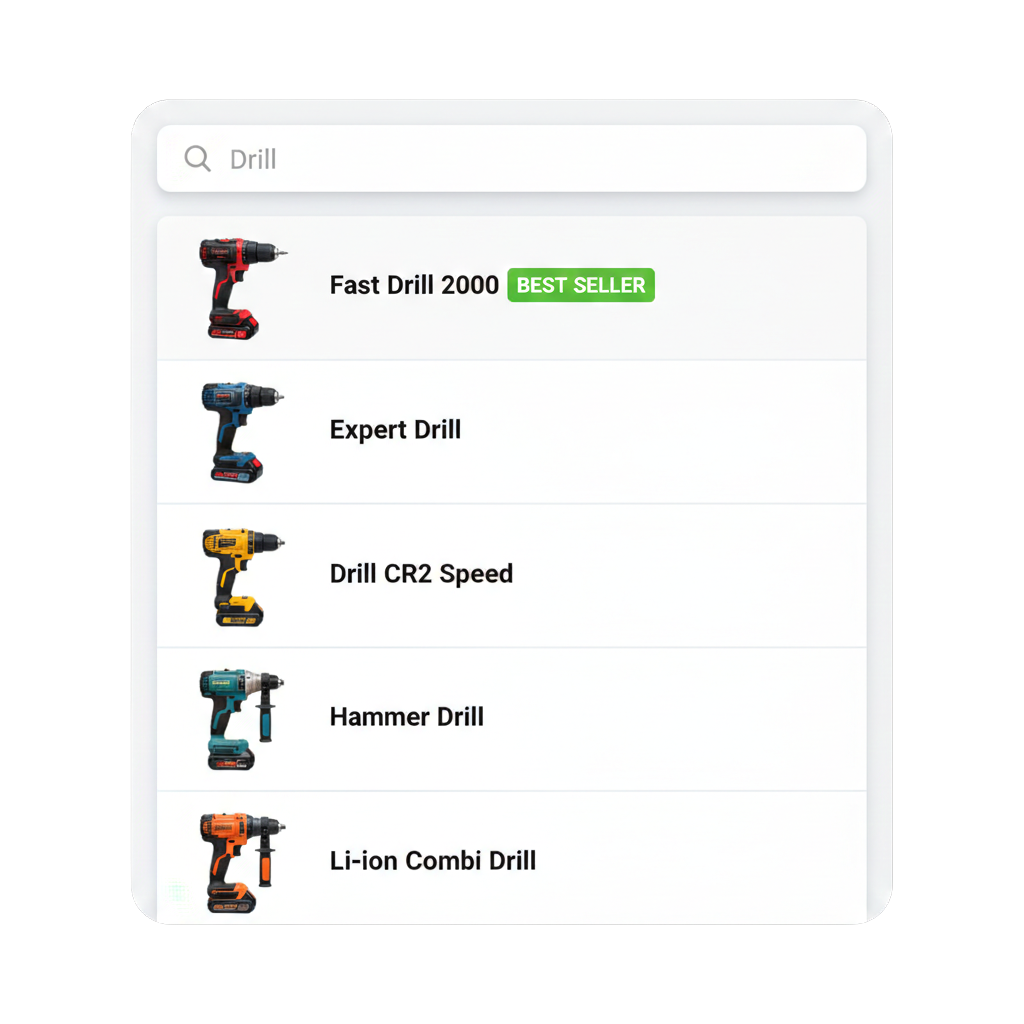
A retailer wants to ensure that high-performing products appear prominently in relevant searches.
Without sales-based ranking, results may prioritize items that simply match keywords rather than those that actually sell well.
With sales-based search ranking, products with strong sales history rise higher in the results.
Shoppers discover trusted, high-performing items faster, improving both the search experience and overall conversion rates.
Key Benefits of Sales-Based Search Ranking
- Prioritize products with proven sales performance
- Increase conversions by promoting revenue-driving items
- Adapt rankings automatically as sales patterns change
- Reduce reliance on manual ranking adjustments
- Align search visibility with real business performance
By incorporating real sales data into search ranking, e-commerce merchants can create search experiences that better reflect shopper demand while driving stronger revenue outcomes.