 June 4, 2026
 5 min read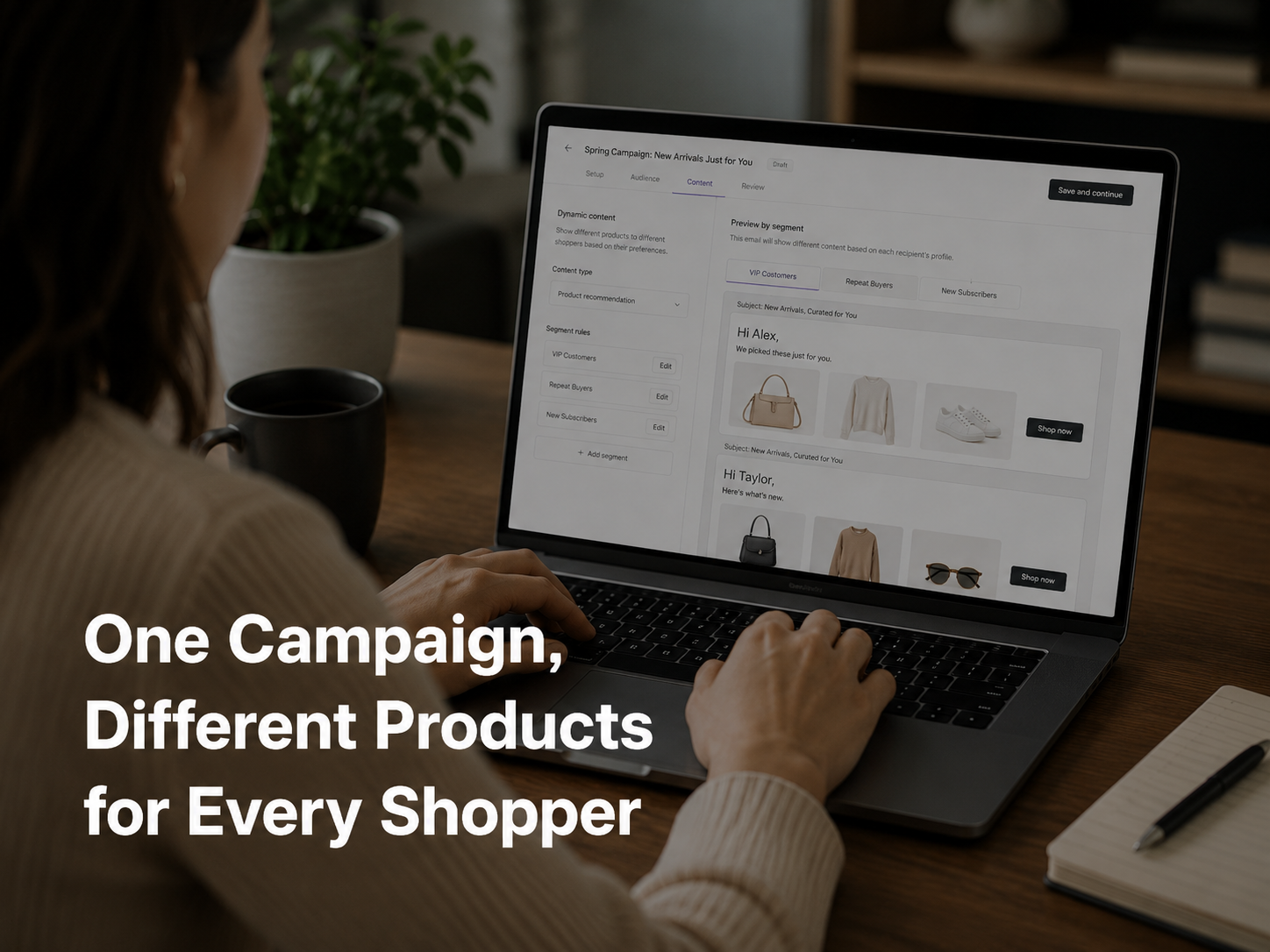
Key Takeaways
- One campaign, one theme, many product variations. The hero stays consistent. The product block changes per shopper.
- Picking products manually for every segment is a non-starter at any real catalog size. An AI email agent does the per-shopper assembly automatically.
- Done well, email stops being one message blasted to everyone and becomes a personalised storefront inside the inbox.
Where Ecommerce Email Usually Breaks
You send a “Summer Essentials” newsletter. Every subscriber gets the same hero image. The same products. The same recommendations. The same offer.
But the customer who buys trail running gear should not see the same products as the customer who buys yoga clothes. The customer who browsed garden furniture should not see the same email as the one who just bought kitchenware. The customer who always buys premium should not be pushed the cheapest sale items.
The campaign can still have one theme. That is fine. Thematic consistency is part of how brand and merchandising hold together. The thing that should change per shopper is what is in the product block.
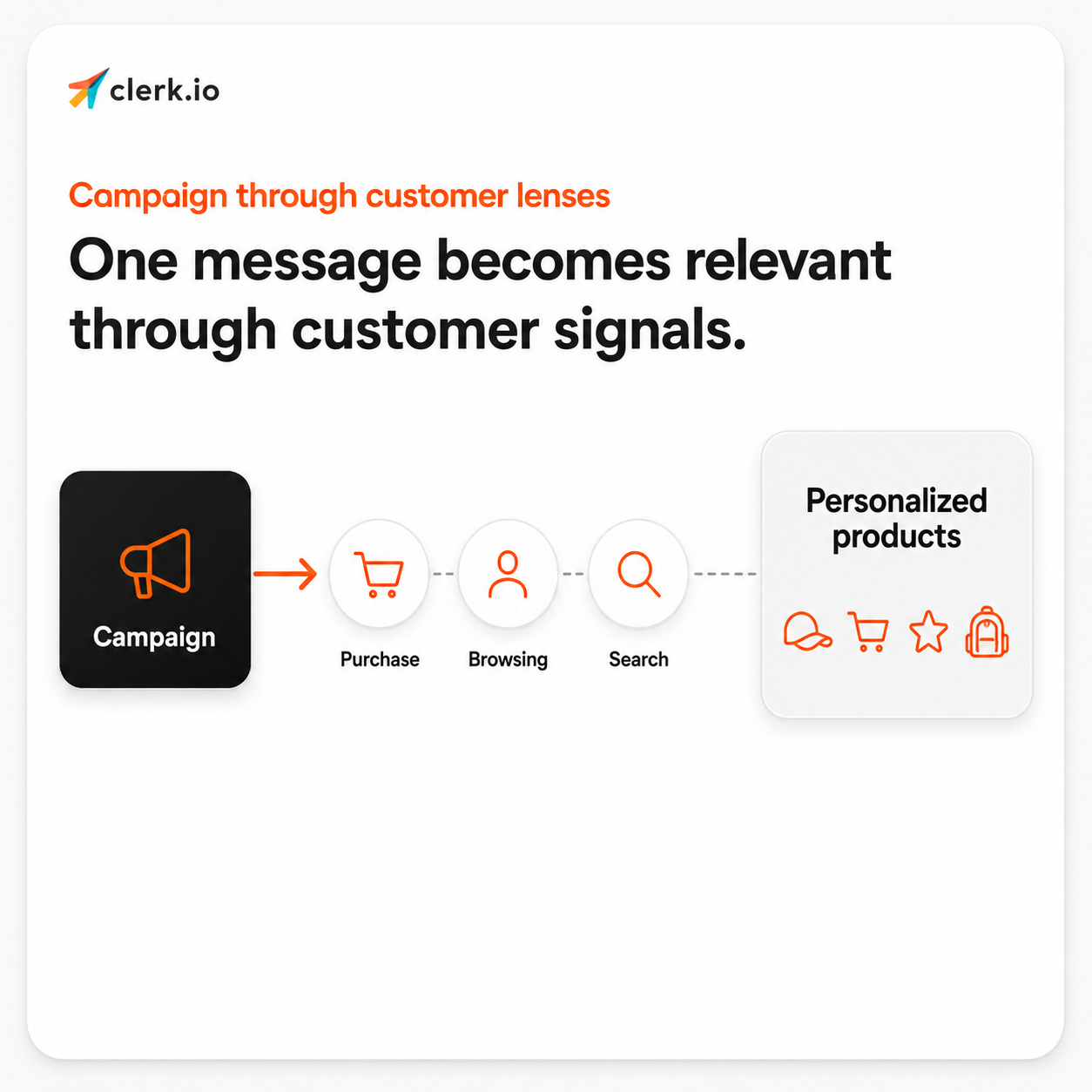
Key takeaway: One theme, many product variations. The campaign concept stays consistent across the list. The products inside change based on who is opening the email.
The Principle: Same Theme, Different Products
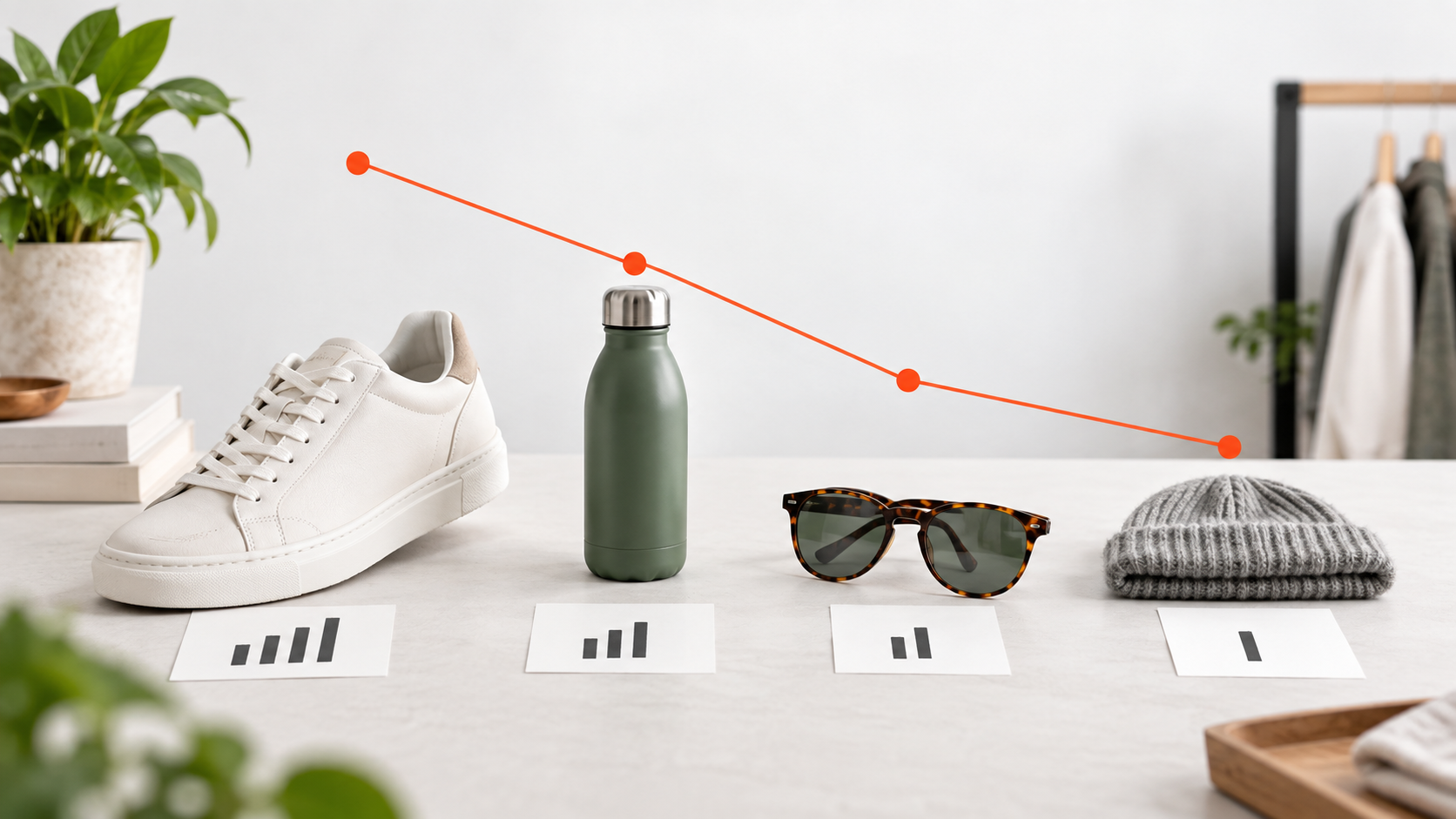
The reason most newsletters look like spam to most recipients is that the products inside have no relationship to what the recipient actually shops for. A subscriber who only buys kids’ clothing scans the men’s collection block and tunes out. A subscriber who buys premium consistently sees a sale carousel and reaches for the unsubscribe button.
The fix is not to send fewer campaigns. It is to make the product block inside each campaign relevant to each recipient. The hero, the headline, the offer can stay the same. What changes is what the shopper sees when they scroll past the hero.
Done well, the recipient does not even know the email was personalised. They just see relevant products in a campaign with the brand voice they expect. That is the bar: personalisation that feels like merchandising, not like surveillance.
An Example: Summer Training Essentials
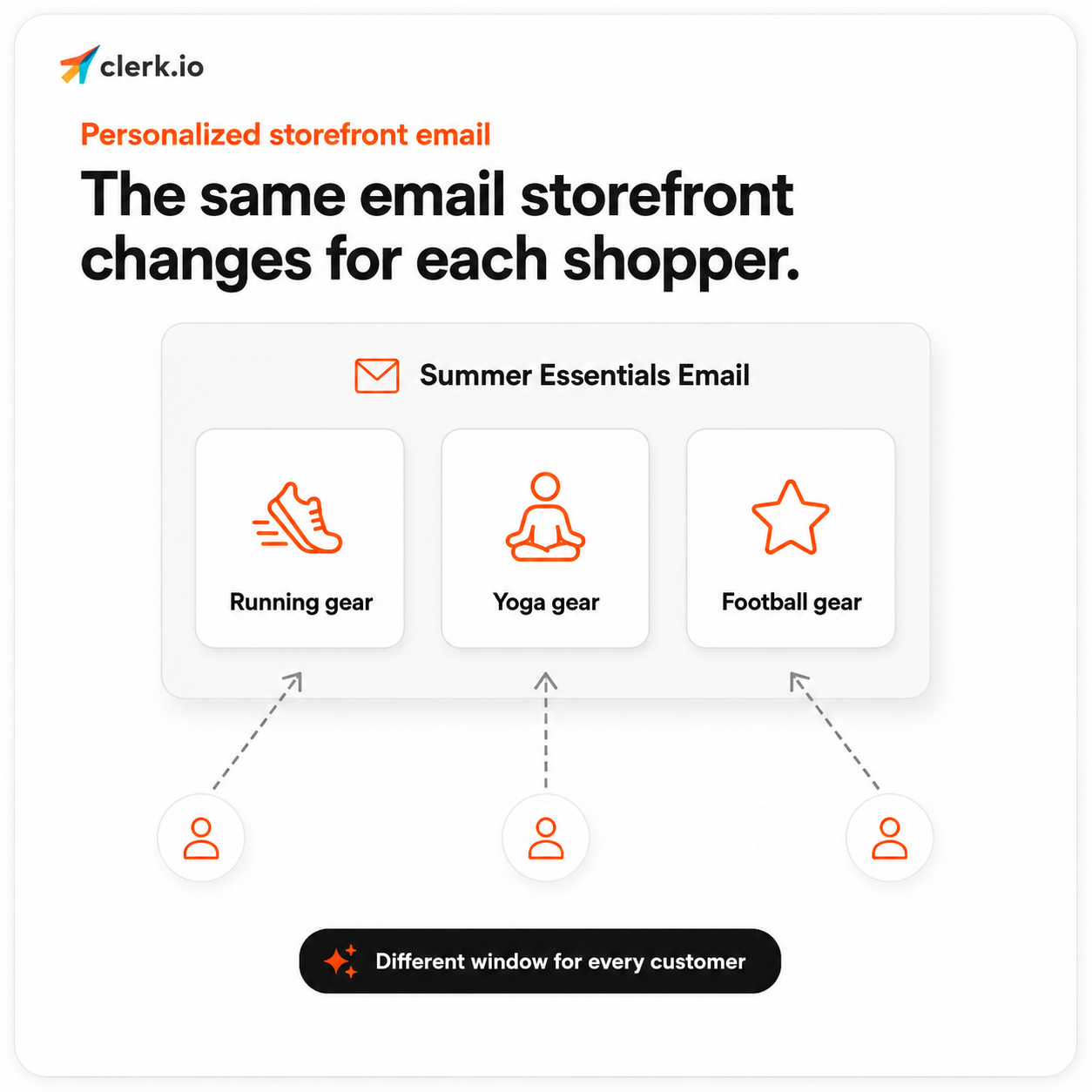
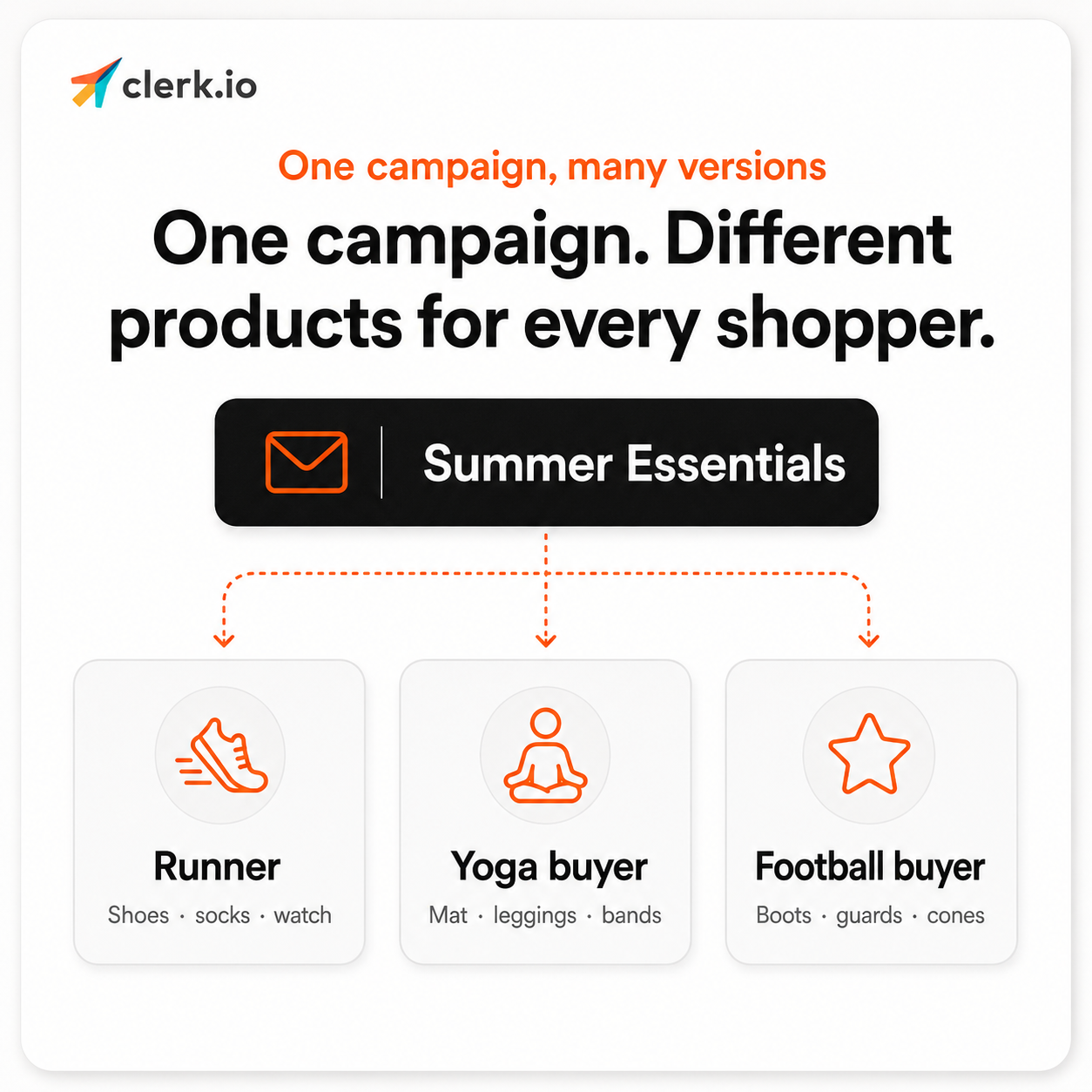
A sports retailer sends a single “Summer Training Essentials” campaign. Same subject line, same hero, same brand frame. The product block changes per recipient based on what each customer has bought or browsed in the past.
- Customer A (runner) sees running socks, hydration belts, GPS watches.
- Customer B (yoga) sees yoga mats, leggings, recovery bands.
- Customer C (football) sees football boots, shin guards, training cones. Same campaign. Different product logic. The marketer did not build three versions. The agent assembled them from one campaign brief plus the per-customer signals.
The Logics That Drive the Per-Shopper Assembly
An AI email agent has a small set of recommendation logics it can apply per product block. The right logic depends on the campaign theme, the recipient’s history, and the inventory state.
- Bestsellers. Top products in a category, used when the recipient has no strong signals and you want a high-conversion default.
- Hot products. Trending items right now, useful for time-sensitive campaigns and new arrivals.
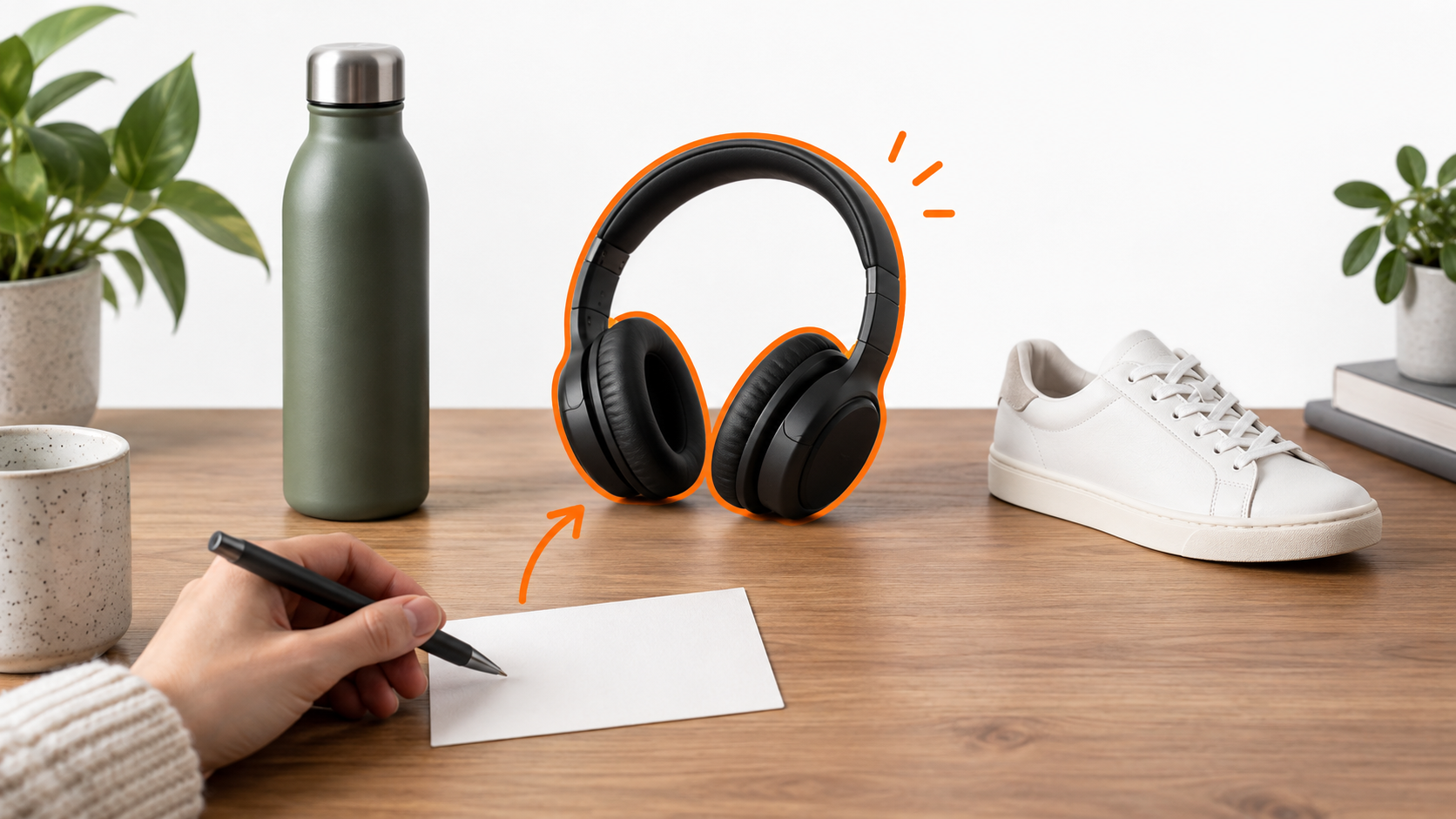
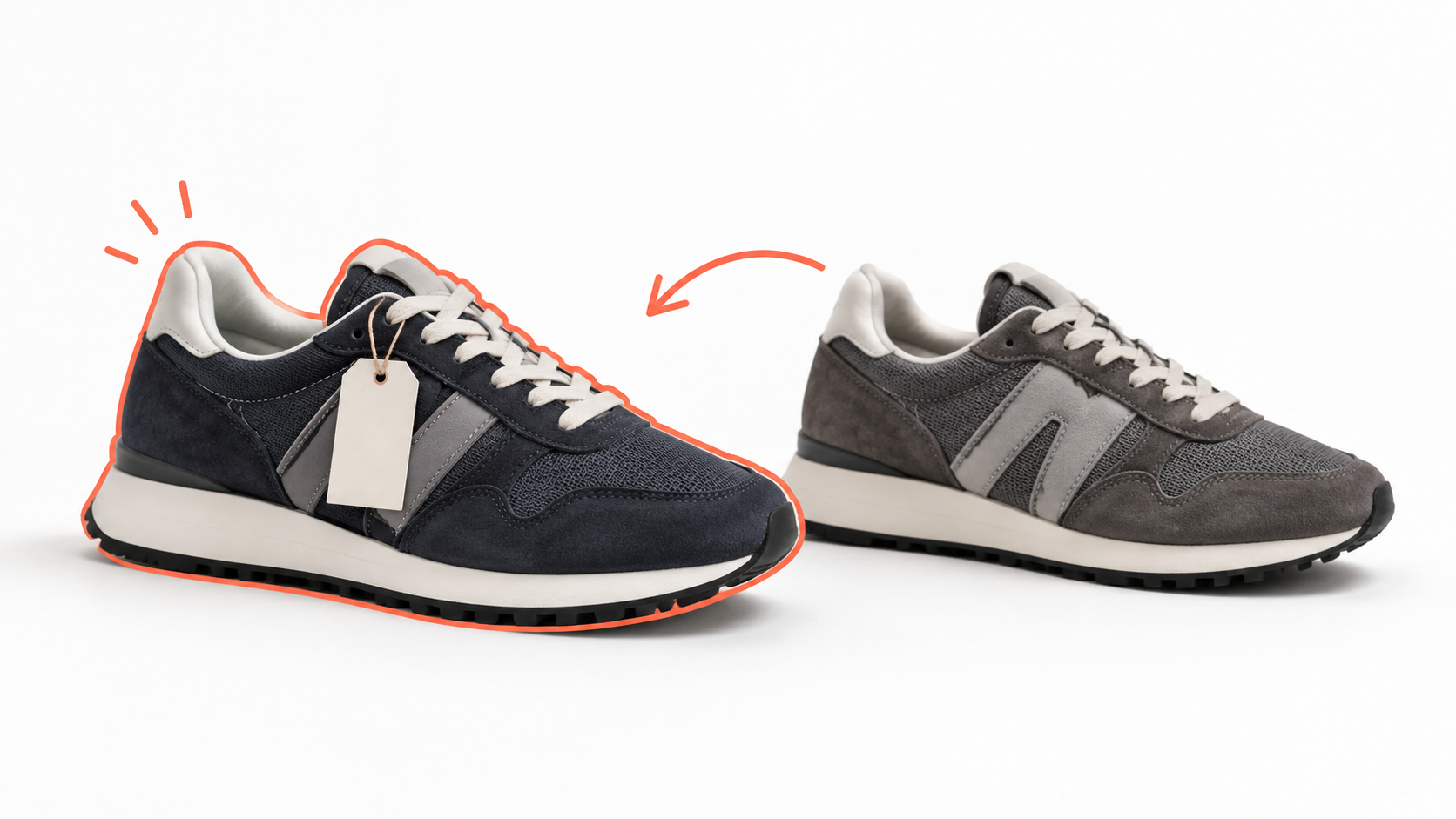
- Alternatives. Products similar to what the recipient browsed but did not buy, often a better fit than the original viewed item.
- Cross-sells. Products that pair with what the customer already owns, used in post-purchase and replenishment campaigns.
- Keyword recommendations. Products matched to the recipient’s search history, useful for shoppers who have recently searched but not bought.
- Visitor history. Products from the recipient’s browse history, useful for browse-abandon-style follow-ups inside broader campaigns.
- Live trending. Items moving on the site right now, useful for shoppers who respond to social proof.
- Recently purchased. Avoid showing items the customer just bought; surface category-relevant alternatives instead. The marketer picks which logic the block should use. The agent runs it per recipient. The campaign brief stays simple; the personalisation work happens in the assembly layer.
What Marketers Stop Doing
The win is operational, not just creative. Manual segment building, manual product picking, manual rule-writing for who sees what: all of that stops being where the marketing team spends its time. The agent handles it.
What the marketer keeps doing: writing the campaign brief, picking the theme, choosing the hero, writing the headline, approving the assembly logic. The decisions that should belong to humans stay with humans. The work that should never have been manual gets automated.
For more context on how personalised email blocks actually fit together, see our piece on personalised email tools based on browsing history.
How to Measure It
Per-recipient revenue is the right metric. If the personalised campaign produces higher revenue per send than the previous one-size-fits-all version, the personalisation is paying for itself.
Two diagnostics matter as you scale.
Block-level revenue. Which recommendation logic is producing the most revenue in which campaigns? Cart-relevant blocks behave differently from broadcast-relevant blocks. Track them separately.
Unsubscribe rate by segment. A drop in unsubscribes after personalisation goes live is a sign the campaign is finally matching what recipients want. A rise is a sign the logic needs tuning.
TL;DR
- Same campaign, different products per shopper. The hero and theme stay consistent; the product block changes.
- An AI email agent does the per-recipient assembly. Marketers write the brief and pick the logic; the agent runs it across the list.
- The right recommendation logic depends on the campaign type. Bestsellers for unknowns, alternatives for browsers, cross-sells for buyers, visitor history for warm leads.
- Email stops being one message blasted to everyone. It becomes a personalised storefront inside the inbox.