 September 25, 2026
 9 min read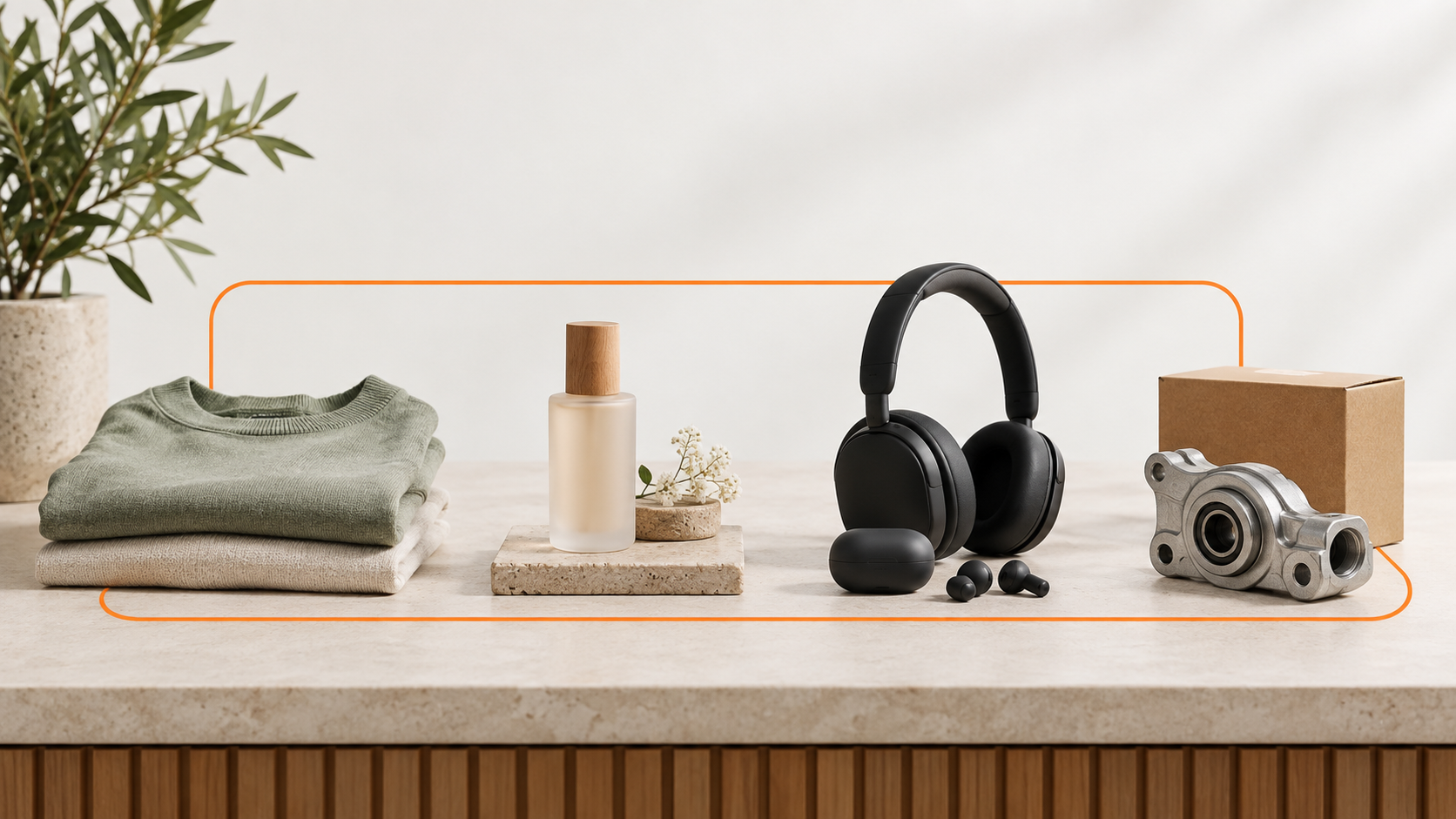
The short answer
AI shopping assistants work best when they reflect the decisions shoppers make in a category. Fashion shoppers need fit and style help. Beauty shoppers need ingredient and routine guidance. Electronics shoppers need compatibility and specification comparisons. B2B buyers need SKU, account, quantity, and delivery context.
The interface can look similar across stores. The data, guardrails, and test prompts should not.
The category changes the assistant’s job
| Vertical | Main shopper uncertainty | Data the assistant needs | Useful KPI |
|---|---|---|---|
| Fashion | Fit, style, color, and occasion | Size, cut, material, measurements, stock | Conversion and return rate |
| Beauty | Ingredients, routine, skin or hair concern | Ingredients, usage, warnings, product combinations | Assisted conversion and repeat purchase |
| Electronics | Compatibility, specs, and tradeoffs | Models, ports, dimensions, compatibility, warranty | Product-detail-to-cart rate |
| B2B | SKU, quantity, account terms, and delivery | Customer-specific price, inventory, pack size, contracts | Quote or order completion |
Fashion: guide fit and confidence
Fashion questions are rarely just “show me shirts.” Shoppers ask for a fit, a mood, an occasion, a color, or a way to solve an outfit problem.
A fashion assistant should use:
- Size charts and garment measurements
- Cut, fit, material, stretch, and care details
- Color names and product images
- Weather, occasion, and style language
- Variant stock by size and color
- Return and exchange policy
Do not present a size recommendation as certainty when the store lacks measurements or the shopper has not provided enough context. A useful assistant can ask about usual size, preferred fit, and comparable garments, then show options with the relevant evidence.
Measure add-to-cart, size-related questions, returns, and assisted conversion by category.
Beauty: explain routines without making medical claims
Beauty shoppers often describe a concern instead of a product name: dry skin, sensitive scalp, or a simple evening routine. The assistant can translate that concern into products and routines when the catalog includes ingredients, use instructions, product combinations, and warnings.
It should:
- Explain what an ingredient is used for in the product’s own context
- Distinguish product information from medical advice
- Ask about routine, preferences, and known sensitivities when relevant
- Avoid promising a clinical result the catalog does not support
- Explain how products fit together without inventing a regimen
Test questions about allergens, conflicting product use, pregnancy, and medical conditions with strict handoff rules.
Electronics: compare facts and compatibility
Electronics shoppers often need help narrowing tradeoffs. They may ask for battery life, connections, storage, power, dimensions, accessories, or compatibility with an existing device.
The assistant should ground comparisons in structured specifications. It should identify the shopper’s current device, intended use, and constraints before recommending a model. If compatibility is unknown, it should say so and direct the shopper to a verified specification or human expert.
Useful tests include:
- Compatibility with a named model
- “Which one is quieter or smaller?”
- “What do I need to use this with my current setup?”
- Replacement and accessory questions
- Warranty, delivery, and return questions
For electronics, factual accuracy often matters more than an entertaining conversation.
B2B: respect account and order context
B2B buyers may know exactly what they need, but still need an assistant to find the correct SKU, substitute, pack size, or compatible component. Their buying context can include customer-specific pricing, minimum order quantity, contract terms, account permissions, and delivery location.
A B2B assistant should never expose one account’s price or availability to another account. It should distinguish:
- Public catalog information
- Logged-in account data
- Customer-specific price and terms
- Inventory by warehouse or delivery destination
- Quote, approval, and order workflows
Start with low-risk discovery and SKU lookup. Add account actions only when identity, permissions, and system integrations are verified.
One evaluation framework, different test sets
Every vertical should test relevance, accuracy, follow-up quality, handoff, and commercial outcome. The examples change:
- Fashion: “I need a loose fit for a summer wedding.”
- Beauty: “Which products work in a simple routine for dry skin?”
- Electronics: “Will this work with my existing monitor?”
- B2B: “Find the compatible replacement for SKU 4821, in packs of 20.”
Keep the rubric consistent, but weight the failure modes differently. A wrong color recommendation is frustrating. A wrong B2B compatibility answer can stop production.
Customer example: category knowledge makes chat useful
Korsør Hvidevarecenter uses AI chat for product discovery, customer support, and technical knowledge. Its team is expanding the assistant with appliance error codes so customers and technicians can find answers without immediately ordering parts. Read the customer story.
“The chat is there 24/7 to help customers online, but it also helps our store staff and our service technicians out in the field.”
The story illustrates the central principle: the assistant must understand the category’s real questions.
Free ebook: Clerk.io’s AI Chat for Ecommerce covers product discovery and support use cases.
Teams can start a free trial or book a demo to test category-specific shopping assistance.
TL;DR
Fashion, beauty, electronics, and B2B shoppers need different kinds of help. Configure the assistant around each category’s data, constraints, and risk. Test fit, ingredients, compatibility, account permissions, and other real buying questions before measuring conversion and revenue.