 September 15, 2026
 8 min read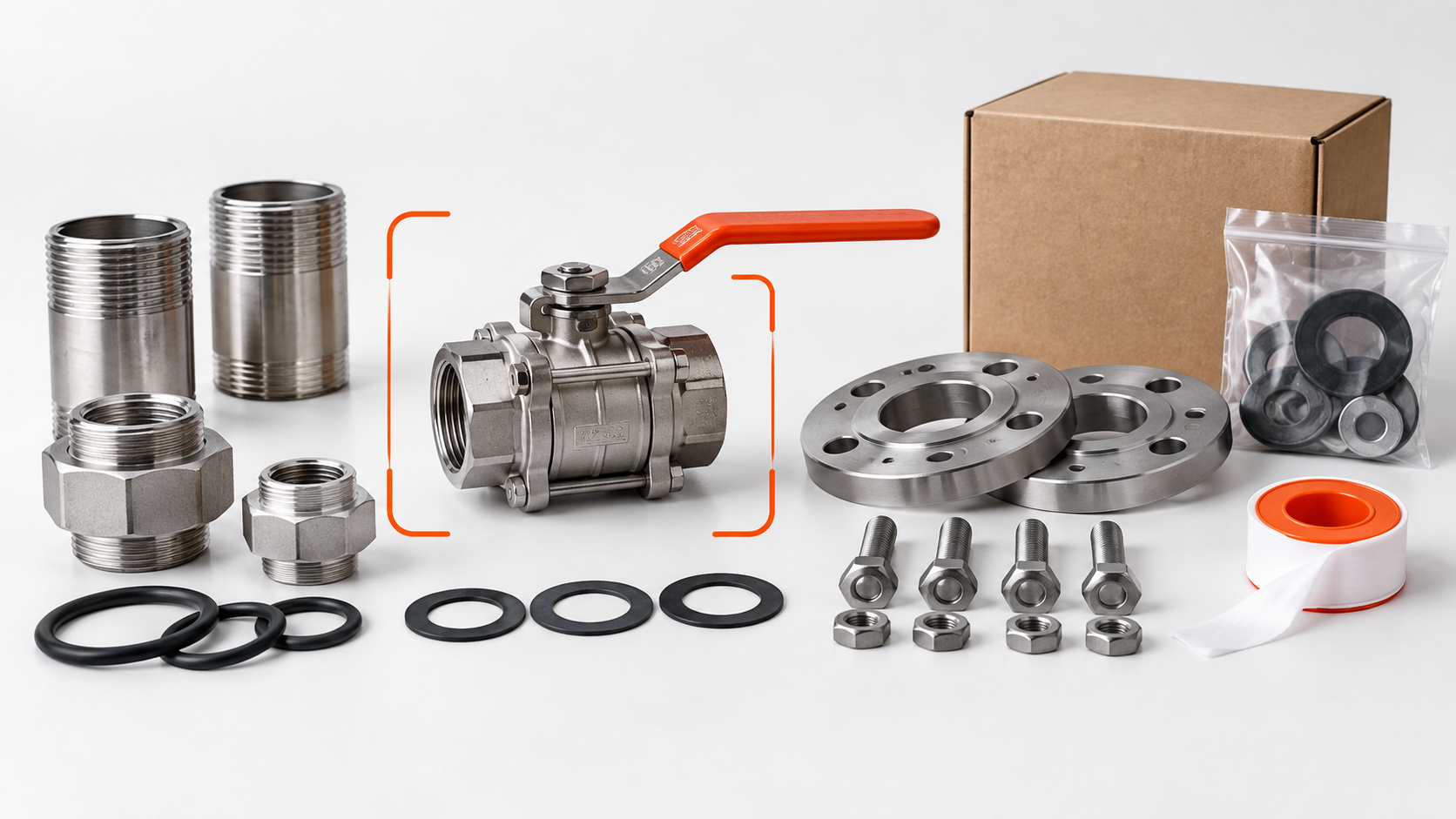
B2B ecommerce search: the short answer
B2B ecommerce search must handle exact SKUs, product aliases, technical attributes, compatibility, pack sizes, customer-specific catalogs, and account permissions. Exact matching should be protected for known items. Query understanding and filters can help buyers who search by equipment, part, application, or specification.
Start with the buyer’s working language
Industrial buyers may search with a manufacturer part number, an internal code, a product family, or a plain-language description. Map these terms to searchable aliases. Keep punctuation and spacing rules predictable for SKUs, and index old part numbers when they still lead to a valid replacement.
Compatibility needs structured data. A part that fits one machine should not rank for every machine with a similar name. Index model, dimensions, connector type, material, voltage, and approved compatibility relationships where the catalog supports them.
Account context changes the result set
Some buyers can see products, prices, stock, or pack sizes that others cannot. Apply account rules before ranking. Do not rank an item first if the buyer cannot purchase it. Keep permissions, market availability, and contract pricing consistent across search, filters, product pages, and checkout.
Support repeat purchasing
Buyers often return with a known SKU or reorder list. Make exact search fast, preserve recent searches when appropriate, and show pack size and availability clearly. A broad discovery experience is useful for new purchases, but repeat buyers need a short path to the correct item.
Clerk.io’s Intelligent Search supports exact and attribute-led discovery through search, suggestions, filters, and ranking controls. Review B2B queries separately from consumer queries.
Free ebook: Clerk.io’s Search covers search improvements for ecommerce teams.
Start a free trial or book a demo to assess B2B search requirements.
TL;DR
B2B search needs exact SKU handling, structured compatibility, customer-specific visibility, and fast reordering. Apply permissions before ranking and test known-item queries separately from discovery queries.