 June 24, 2026
 18 min read
Fashion search needs to connect how people describe clothes with products they can buy in the right size and color. The right solution depends on your catalog, storefront, merchandising team and evaluation results. This guide compares platform search with dedicated providers and gives you a practical way to choose.
What should a fashion search engine be able to do?
A shopper searching for “black linen wedding guest dress in size 12” has provided several constraints. Matching the word “dress” is only a starting point. The result needs suitable attributes, an appropriate interpretation of occasion and a purchasable variant.
| Requirement | Fashion example | Acceptance test |
|---|---|---|
| Variant eligibility | Black dress, size 12, in stock. | The selected size/color combination is available, not merely another variant of the same dress. |
| Language and intent | “Trainers”, “sneakers”, a misspelled brand, or “summer wedding”. | Relevant results for local terminology and longer descriptions; no unsupported fabric or fit assumptions. |
| Useful refinement | Filter by size, material, cut, brand and price. | Filters combine correctly, counts make sense, and the mobile interface remains usable. |
| Collection merchandising | Promote a launch while maintaining query relevance. | A merchandiser can apply, inspect, schedule or remove the relevant rule without breaking hard constraints. |
| New and returning shoppers | Discover a new collection before it has much purchase history. | Useful cold-start results; returning-customer preferences do not exclude legitimate new interests. |
| Scale and freshness | A seasonal sale changes traffic, price and stock rapidly. | Documented update behavior, acceptable peak latency and a fallback if the search service fails. |
Out-of-the-box shop search: a fashion comparison
“Native” is not one uniform feature set. A platform’s default search, its first-party configuration app and an optional paid extension are different starting points. The table separates them. Fashion implications below are our assessment of the documented capabilities, not results from a controlled store benchmark.
| Platform / option | What is included? | Fashion strengths | Limits and checks | When to consider it |
|---|---|---|---|---|
| Salesforce B2C Commerce / Einstein Search Dictionaries ↗ | Platform-specific search capability; confirm the licensed edition and enabled features. | Search Dictionaries can identify relationships between search terms, which is relevant to fashion terminology and missing synonyms. | Do not confuse B2C storefront search with Salesforce CRM record search. Dictionary suggestions do not establish correct variant availability or a complete semantic-search implementation. | Evaluate the existing commerce platform’s dictionary workflow before buying a separate replacement. |
| Shopify storefront search + Search & Discovery ↗ | Built-in search; first-party configuration app. | Product-option and metafield filters, color-value grouping and search controls give a fashion team a useful starting point. | Filters require a compatible theme. Collections over 5,000 products do not display filters; a storefront filter displays at most 100 values. Test combinations of size, color and stock rather than assuming product availability means the requested variant is available. | Good baseline before paying for a replacement. Large departments and multilingual attributes need deliberate configuration. |
| WooCommerce core ↗ | Storefront search/results depend on the WordPress/WooCommerce theme and installed configuration. | A store already has a product-search results template to build around. Start by checking searchable product content and your actual filters. | Do not attribute the separate WooCommerce Product Search extension’s live results or specialized filter blocks to core. Hosting, theme and extensions change the experience. | Audit the installed store first. A plugin can be a smaller change than replacing the entire discovery stack. |
| WooCommerce Product Search ↗ | Optional extension, not out-of-the-box core. | Documents live search, attribute/category/tag filtering and dedicated search blocks. These can help shoppers narrow by fashion attributes. | Compatibility and indexing still need testing. An extension’s existence does not establish semantic occasion matching or correct sellable-size behavior for your store. | A relevant plugin baseline for WooCommerce fashion merchants. Include its license, hosting and maintenance in cost. |
| Adobe Commerce Live Search ↗ | First-party service replacing standard search; not equivalent to Magento Open Source’s default setup. | Adobe documents intelligent search, facets and merchandising rules. Fashion teams can use attributes and business rules to shape discovery. | Verify your edition, installation, data export and storefront integration. Do not assume every Magento installation already has Live Search. | Evaluate the licensed platform’s own service before introducing another provider. |
| BigCommerce ↗ | Platform search and product-filtering capabilities. | Built-in product filtering uses catalog options and categories; API documentation covers textual and faceted search for headless storefronts. | Confirm plan entitlement and storefront support. Category-specific filters need configuration; test stock-qualified size/color matches on your implementation. | Useful for brands with a well-structured catalog. Headless teams should evaluate the native API alongside specialist APIs. |
| PrestaShop ↗ | Core indexed search with configurable weights. | The documented search index weights product fields. This gives teams a way to improve known-item and attribute-based matching. | Weighted keyword matching is not proof of semantic understanding of “something for a beach wedding”. Verify version-specific fuzzy-search and indexing behavior. | Start with indexing, terminology and weights; compare a specialist when long descriptive queries remain weak. |
| Shopware 6 ↗ | Standard storefront search settings; distinguish additional advanced-search products. | Search settings expose searchable information and ranking configuration. Fashion teams can check whether useful catalog fields contribute to matching. | Version, installed extensions and search infrastructure affect behavior. Test variant presentation and multilingual terms directly. | A configurable native baseline; decide on an add-on only after measuring the specific gaps. |
When is native search enough?
Keep it when shoppers can reliably complete your most important tasks, the team can maintain relevance and the operating cost is appropriate. A well-configured small catalog may not need a replacement. Fix inconsistent attributes and stale availability before expecting a new engine to solve them.
When is a dedicated search provider worth evaluating?
Evaluate one when your acceptance tests expose persistent gaps: longer style descriptions, variant grouping, personalization, visual input, merchandising workload or performance at scale. Include implementation, event tracking, catalog maintenance and recurring commercial terms. Those costs can matter as much as the subscription.
Fashion search software providers compared
This comparison covers 16 offerings or vendor families from the collected competitor research and the visual-search questions. Klevu and Searchspring are grouped with their current Athos family. Native platform options are covered above. It is a broad researched shortlist, not a claim to every vendor in the market.
Each provider name links to an official source. Capabilities are documented supplier statements; suitability and evaluation cautions are our editorial assessment. We have not run a common performance benchmark, and missing evidence should not be read as a missing feature.
| Provider | Approach | Documented capabilities relevant to fashion | Potential fit | Trade-offs and proof to request |
|---|---|---|---|---|
| Clerk.io ↗ | Ecommerce search connected to the wider Clerk product suite. | Published search capabilities include typo/synonym handling and ecommerce product discovery; fashion search implementations are illustrated by Munk Store, Oxwork and Soccerfanshop. | Evaluate if you want search and related personalization workflows in one supplier relationship. | Demonstrate the requested size/color in stock, merchandising rules, catalog refresh and headless needs. Customer story uplifts are not comparable benchmarks. |
| Fast Simon ↗ | Search, filters and merchandising platform. | Fast Simon describes AI search with dynamic filters and merchandising tools, with fashion examples. | Evaluate when a fashion storefront needs coordinated search and merchandising. | Confirm your platform integration, rule workflow, variant grouping and current package. Supplier positioning is not a comparative speed benchmark. |
| Searchanise ↗ | Search-and-filter application with documented fashion attributes. | Documentation covers size/color variant options, custom filters and sorting by relevance, price, popularity and newest products. | Evaluate for a plugin-oriented search and filtering project. | Check AND/OR filter behavior and requested-size availability on your catalog. A product having a size option does not by itself establish current inventory in that size. |
| Netcore Unbxd ↗ | Search and product discovery with a fashion-specific offering. | Its fashion solution describes intent understanding, personalization and targeted merchandising. | Evaluate for a dedicated fashion search and discovery program. | Request a working demonstration of your taxonomy, brand/size normalization, implementation responsibilities and commercial terms. Keep it distinct from the Athos vendor family. |
| Algolia ↗ | API-based search and configurable experience components. | Algolia documents search, category and facet merchandising. Rules can be managed with a Visual Editor; optional Merchandising Studio availability depends on plan. Storefront implementation remains a separate consideration. | Evaluate for a custom storefront where your team wants control over the search experience. | Budget for the UI, index design and ongoing relevance ownership. Test variant records, facet counts and seasonal peak load. |
| Bloomreach ↗ | Ecommerce search within its broader personalization offering. | Documents behavior-driven personalization and ecommerce search; categories, recommendations and testing appear as related product areas. | Evaluate when search is part of a broader merchandising and personalization program. | Compare the exact contracted modules and daily merchandising tasks. Neither implementation time nor superior results can be inferred from the brand name. |
| Nosto ↗ | Personalized Search within a commerce experience platform. | Its search description combines behavioral signals and product data to personalize ranking. Merchandising documentation covers rules and product attributes. | Evaluate when personalized discovery and merchandiser control are central requirements. | Test new visitors, sparse history, size availability and interactions between rules and personalization. Confirm which modules are included. |
| Athos Commerce / Klevu / Searchspring ↗ | Current vendor family; avoid treating legacy brands as three independent current suppliers. | Athos lists search, personalization, visual merchandising, analytics and integrations. Klevu’s official site identifies its move into Athos, alongside Searchspring and Intelligent Reach. | Evaluate the current Athos offering for a fashion discovery and merchandising project. | Ask which product and migration path your quote covers. Legacy Klevu or Searchspring documentation may not describe the same package. |
| Constructor ↗ | Commerce search optimized using shopper behavior. | Its search offering describes personalized discovery; use its search demonstration to examine how intent and behavioral signals affect results. | Evaluate when a sizeable retail catalog and experimentation program justify a dedicated discovery project. | Require evidence on cold-start products, variant eligibility and latency at your traffic level. Do not equate a provider case study with your expected lift. |
| Doofinder ↗ | Dedicated search with documented filtering and visual-search options. | Official documentation covers filters, guided search and image-input visual search. It is inaccurate to dismiss it as a basic-only search box. | Evaluate for a fashion store needing a search layer, guided refinement or image-based discovery. | Confirm plan coverage, image quality requirements and combined variant filters. Test long descriptions and multilingual queries on the actual feed. |
| Luigi’s Box ↗ | Dedicated search with explicitly documented variant handling. | Search documentation describes displaying variants separately or selecting the best-matching variant from a group. Its feature list includes typo correction. | A relevant candidate for smaller fashion shops as well as catalogs with important color/material variants. | Run the same acceptance test against native search and other specialists. Confirm integration effort, group IDs and requested-size stock behavior. |
| Hello Retail ↗ | Personalized search within a retail personalization suite. | Its search configuration API documents personalized boosts, including size affinity for fashion/apparel. | Evaluate when interests, affinities and cross-channel personalization are part of the search brief. | Affinity is a preference signal, not a guarantee of fit or current stock. Check consent, signal freshness and how boosts interact with hard filters. |
| Boost Commerce ↗ | Shopify-focused search, filters and discovery offering. | The current product site lists AI search, personalization, merchandising and A/B testing of merchandising strategies. | Evaluate as a Shopify specialist alongside the native Search & Discovery baseline. | Validate your theme, Markets configuration, variant data and plan-specific feature coverage. Do not infer fit simply from Shopify integration. |
| Coveo ↗ | Commerce search with documented storefront implementation options. | Commerce documentation covers building search pages and the underlying search solution. | Evaluate with your technical team when commerce search is part of a more customized discovery architecture. | Request a fashion catalog proof of concept, integration scope and an explicit relevance/merchandising ownership plan. No fashion performance ranking is established here. |
| Syte ↗ | Visual product discovery specialist with a fashion-specific offering. | Its fashion page describes visual AI discovery and image-based product finding. | Evaluate when shopper photos, visual similarity or inspiration-led journeys are primary requirements. | Test actual garments, backgrounds and image crops; then apply size, price and stock constraints. Visual resemblance does not establish fit or composition. |
| ViSenze ↗ | Multimodal discovery; its site identifies its connection to Rezolve Ai. | Multi-Search combines text, keywords and images. The offering also describes visual similarity, tagging and shop-the-look discovery. | Evaluate when text plus image input and visual catalog enrichment are part of the fashion brief. | Confirm current commercial/product ownership and integration scope. Test catalog coverage and attribute accuracy rather than relying on a visual demo alone. |
How to compare cost fairly
Ask every supplier to quote the same parent-product and variant counts, monthly traffic and search requests, storefronts, languages, peak-sale demand and required features. Include setup, integrations, merchandising support, overages, optional visual or conversational features, and exit/export requirements. Obtain current quotes rather than comparing a public entry price with a different supplier’s enterprise package.
Search, recommendations and visual discovery are different jobs
A recommendation engine may support product discovery without replacing search. A visual-similarity tool may complement text search without providing the complete storefront experience. CDPs, email platforms and product-information systems also influence discovery, but are not automatically search replacements. This is why Contentserv and email-only alternatives are not scored as search engines here.
Answers to fashion search buying questions
What are the best search platforms for fashion ecommerce?
Start with the configured native platform, then shortlist providers against the buying journey you actually need: keyword and attribute discovery, personalized ranking, or visual discovery. The table compares 16 vendor offerings/families, including Clerk. There is no common controlled benchmark in these sources that establishes a universal winner.
Is Luigi’s Box right for a small fashion store, and which plugin should we choose?
Luigi’s Box is a credible candidate because its documentation explicitly covers variants, but “small” does not settle the choice. On Shopify, compare native Search & Discovery, Boost and compatible specialists. On WooCommerce, include the Product Search extension. Check your team’s maintenance capacity, traffic, variant count, integration and total cost. Ask all shortlisted providers to complete the same tasks.
Bloomreach or Shopify native search: which offers better fashion merchandising?
Shopify offers filters and search configuration within its ecosystem; Bloomreach offers a dedicated personalized search product. Compare concrete tasks: boost a new collection, handle a fashion synonym, respect stock at the requested size, and undo a rule. Native search has the advantage of an existing platform workflow; a specialist is worthwhile when its additional controls or measured relevance justify integration and operating cost. The native table documents a concrete Shopify constraint: filters disappear on collections above 5,000 products.
What search should a fashion retailer with 50,000 SKUs or multiple brands choose?
First distinguish 50,000 parent products from 50,000 size/color variants. That changes the index and user interface. Test brand-specific synonyms, normalized sizes, variant grouping, permissions or market exclusions, and catalog update time. API-oriented and retail discovery providers in the table are candidates, not automatic winners at this count. Ask for a quote based on indexed records and actual traffic, including seasonal peaks.
Which search API can support global clothing retailers and seasonal traffic?
Evaluate regional latency, supported languages, localized synonyms, market-specific stock/prices, rate limits and a documented fallback when a service is unavailable. Run an agreed peak-load test with realistic queries and updates. Algolia’s APIs, BigCommerce’s native headless search and the dedicated providers’ integration offerings are possible starting points. Obtain the actual capacity and SLA commitments; this research does not establish that one API is fastest.
Which search platforms support fashion personalization?
Nosto, Bloomreach, Constructor, Hello Retail and Boost explicitly describe personalization in their reviewed offerings; Clerk also provides a broader personalization suite. Compare what changes for an anonymous visitor versus a returning customer, how interests decay, and whether stock/size constraints remain hard rules. Personalized ranking should improve relevance rather than repeatedly narrow someone to one style.
What are the best visual search tools for fashion?
Syte and ViSenze have explicit visual discovery offerings; Doofinder documents image-input search. Use the same images to evaluate all three: a clean garment photo, a cropped social image and a photo with several items. Score whether the correct garment type, silhouette and color appear, then verify price, material and available size. Treat furniture as a separate evaluation set even when the same provider supports both categories.
How should we compare RAG performance for fashion search?
Retrieval-augmented generation is relevant when a system produces answers grounded in retrieved product or policy information. It is not a synonym for ordinary ranked search. No standardized, like-for-like fashion RAG benchmark was established from the reviewed provider sources. Compare retrieval relevance separately from answer accuracy: check correct garment facts, sources, stock freshness and whether the assistant admits missing measurements. Do not rank providers by an invented RAG score.
What should a US footwear brand look for?
Test US sizing alongside brand-specific conversions, width, intended activity and stock at the requested combination. Include shipping-region eligibility and local latency. A query like “women’s wide waterproof walking shoes size 8” should not return an available style whose only remaining size is 11. Geography alone does not identify the best provider; require US support coverage and integration details in the proposal.
How can we reduce fashion search errors and improve product discovery?
Classify failures before replacing software: missing catalog attributes, inconsistent size labels, misspellings, synonyms, unavailable variants, weak ranking or a confusing mobile interface. Correct the data and configuration, replay the same query set, then experiment with additional capabilities. A consultant can help own the audit or implementation; hiring one is a separate procurement decision from selecting a search engine.
How to test search effectiveness before choosing software
- Build a representative query set. Include popular queries, zero-result queries, brands, local synonyms, spelling mistakes, size/color combinations, long descriptions and low-frequency requests. Sample across mobile, desktop and important markets.
- Write judgments before the demo. Merchandisers should label what is relevant, available and inappropriate. Score the top results against those judgments. Record variant eligibility errors separately from softer ranking preferences.
- Use the same catalog and conditions. Give each candidate the same fields, stock state and tasks. Test a brand-new product and a sell-out update. Check how much manual configuration each result required.
- Test the storefront, not only the API. Verify mobile filters, accessible controls, selected variants, product-card imagery and response time. For headless projects, include frontend integration work in the plan.
- Run a controlled commercial experiment. Randomize comparable eligible traffic between the current experience and the candidate. Define the primary metric and duration in advance. Search users often have different purchase intent from non-search users, so that comparison alone is not causal evidence.
- Include returns and operating effort. Review revenue per eligible session, conversion, query reformulation, zero-result rate, latency and return-adjusted margin. Also record time spent maintaining the catalog and rules.
Customer stories
See how stores in this industry grow with Clerk.io.
These stories describe implementations using Search alongside other Clerk products. Reported results belong to the full case and its measurement period, not to search alone. Component suppliers are labeled as adjacent examples.
.png)
Workwear · Search and Recommendations
How Oxwork Achieved a 40% Higher Average Order Value With AI-Powered Product Discovery
Read more →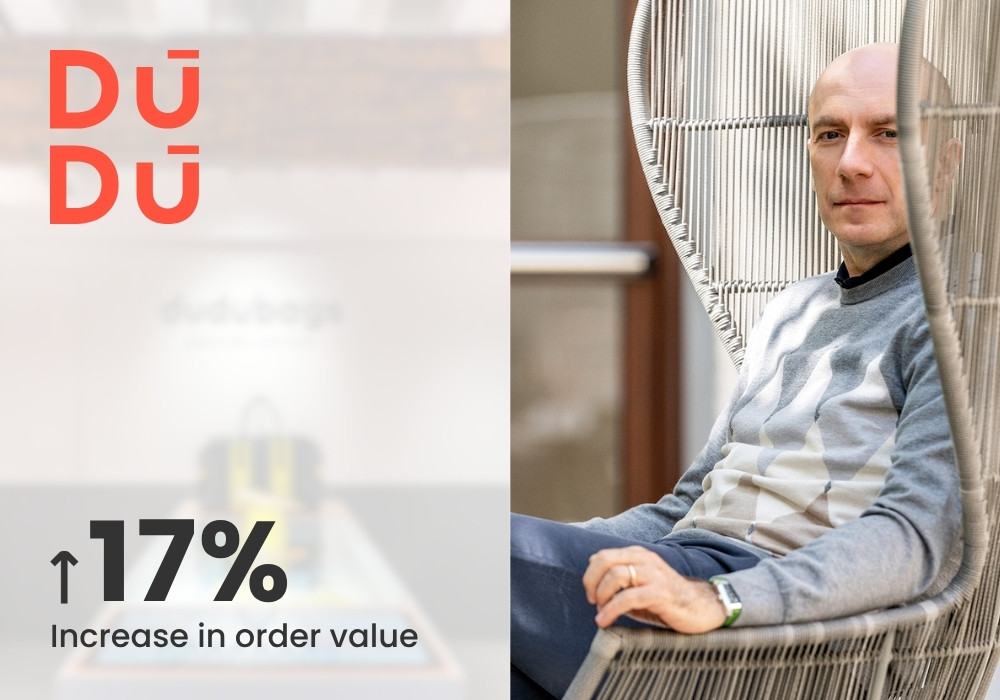
Bags and accessories · Search, Recommendations and Email
Dudubags: How They Achieved a 17% AOV Increase by Transforming Their Online Presence
Read more →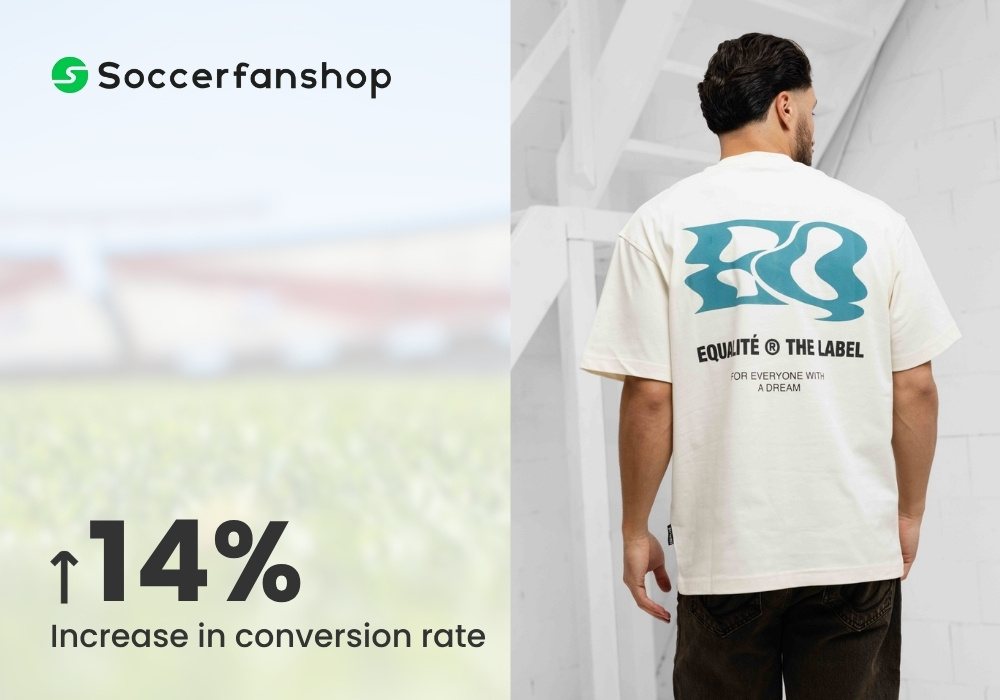
Sports apparel · Search and Recommendations
Soccerfanshop: 14% increase in conversion rates with Search and Recommendations
Read more →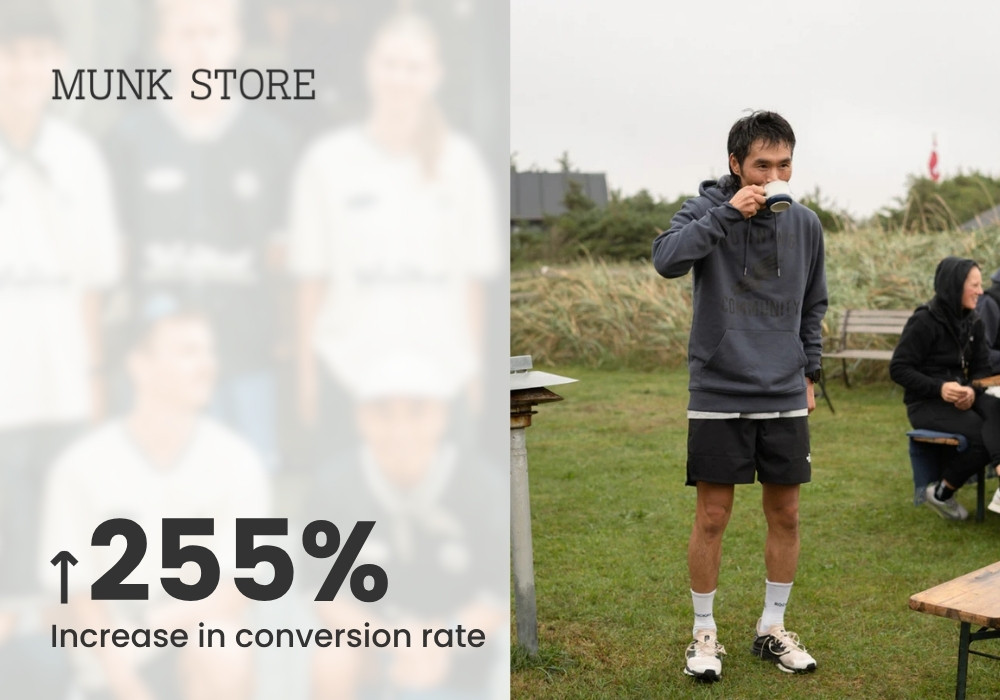
Fashion retail · Search and personalization
Munk Store Drives Sales & Improves Online Customer Journey Using Clerk
Read more →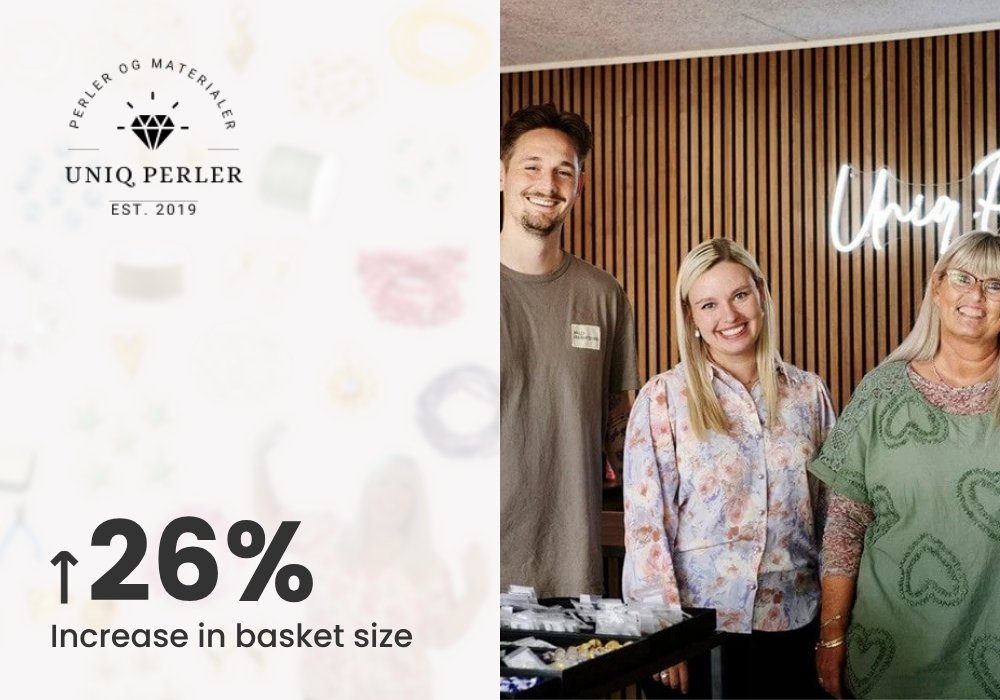
Adjacent category: jewelry components · Search and Recommendations
Uniq Perler: How They Achieved a 26% Increase in Average Basket Size
Read more →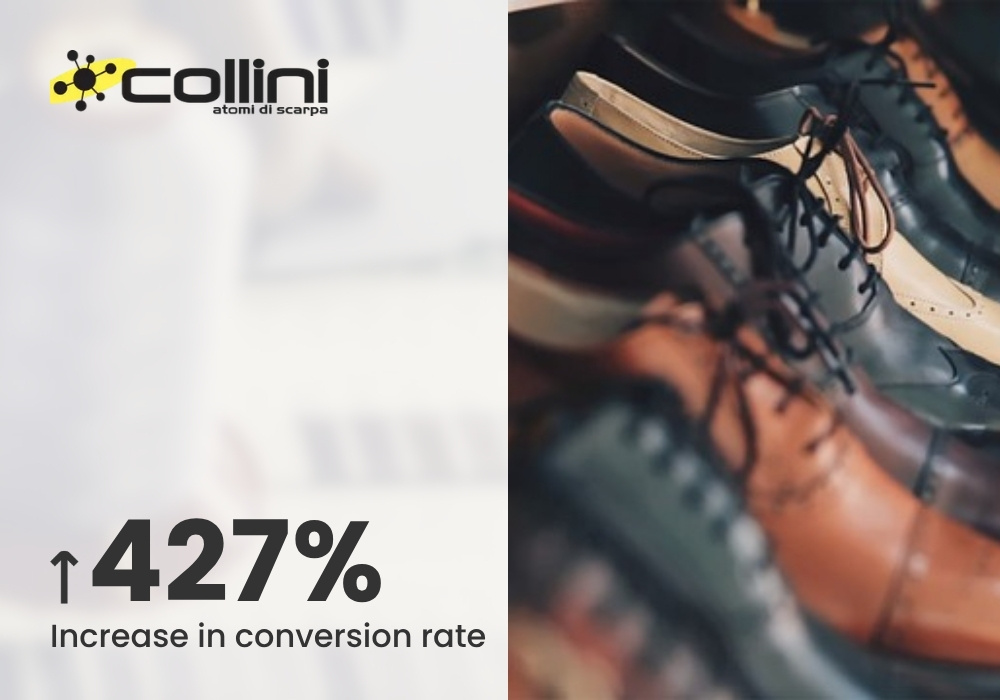
Adjacent category: footwear manufacturing supplies · Search and personalization
How Collini Atomi di Scarpa Uses Clerk to Increase Basket Size & Sales
Read more →Research sources and scope
Reviewed on 11 September 2026. The table links provide primary sources for each row. The additional references below support specific platform limits and capabilities. This is research into published capabilities, not hands-on certification, a price quote or an independent performance ranking.
- Fast Simon merchandising and fashion examples
- Shopify search behavior
- Algolia facet merchandising and UI requirements
- Nosto merchandising and search personalization
- Klevu and the Athos vendor family
- Doofinder filter configuration and guided search
- BigCommerce native faceted and textual search API
- WooCommerce extension versus core: Product Search Field
Explore the fashion ecommerce overview → · Discuss your fashion catalog with Clerk →