Collect the matching inputs.
Record search and purchase timestamps within the same session. Count a session once, include all search users, and exclude purchases occurring before the first search.

Site search conversion rate is the share of search-using sessions that complete a purchase after using search. It describes the outcome of visits that use internal search.
Search CVR calculator
Site search conversion rate is the share of search-using sessions that complete a purchase after using search. It describes the outcome of visits that use internal search.
Search users often arrive with stronger buying intent. Comparing them with non-search users does not establish the incremental effect of search.
Record search and purchase timestamps within the same session. Count a session once, include all search users, and exclude purchases occurring before the first search.
Compare device, query intent and new versus returning visitors. Use a randomized eligible-session test to estimate causality.
Keep the reporting dates, population, exclusions and calculation with every result. Show underlying counts as well as the average or rate, so a small sample does not look more conclusive than it is.
8% of search-using sessions purchased after search.
Try your numbers ↑Compare device, query intent and new versus returning visitors. Use a randomized eligible-session test to estimate causality.
We have not verified a public industry benchmark that matches the exact definition used on this page. A precise-looking generic range would hide important differences between businesses.
Choose the category, channel or customer cohort you can compare consistently.
Use complete periods and allow the purchase, attribution or returns window in your definition to close.
Set a target from your economics and observed variation. Keep conversion and contribution in view.
These examples show the reported outcome or a related use case. Read each evidence label before comparing it with your KPI.
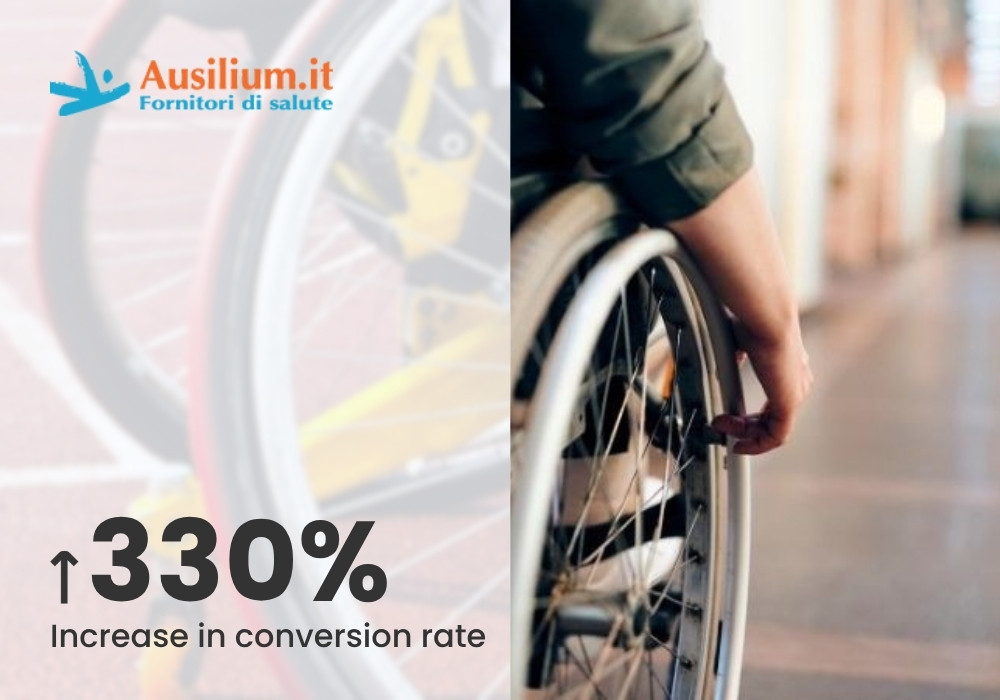
The story reports that search users were 11.2 times more likely to buy. This is a user comparison, not this guide’s exact session metric or a randomized lift result.
Read the customer story ↗Customer stories describe individual implementations. They are not industry benchmarks, guarantees or standardized causal tests.
Improve results for high-volume queries and help shoppers refine by the attributes that determine a purchase.
Search sessions with a subsequent purchase ÷ Sessions using site search × 100. 8% of search-using sessions purchased after search.
Search users often arrive with stronger buying intent. Comparing them with non-search users does not establish the incremental effect of search.
Compare device, query intent and new versus returning visitors. Use a randomized eligible-session test to estimate causality.
No. Attribution connects an interaction with an outcome under a reporting rule. To estimate what a change added, compare randomly assigned treatment and control groups using the same eligible population and a predefined measurement window.
Explore how Clerk helps shoppers find relevant products throughout their journey.