
Industries / Food and groceryMake every step
Make every step
more useful.
Food, beverages and grocery ecommerce: help shoppers find relevant products, make informed choices and return for the right reasons.
Useful substitution and basket completion must preserve the shopper’s stated exclusions.
Choose your starting point
Explore five product guides.
Each guide explains industry use cases, the data they require and what to test when comparing your existing setup with specialist software.
01 / Search ↗
Find the right product.
In this guide: Ingredients, dietary attributes, pack size and local availability; grocery substitutions; units and brand intent.
Explore food and grocery search →02 / Recommendations ↗Make the next suggestion useful.
In this guide: Basket completion; meal/use-occasion add-ons; replenishment; pack alternatives; stock and dietary checks for substitutions.
Explore food and grocery recommendations →03 / Chat ↗Answer the question that matters.
In this guide: Ingredients, pack sizes, storage and delivery information; never infer allergen safety from missing data.
Explore food and grocery chat →04 / Email ↗Create a reason to return.
In this guide: Reorder reminders; repeat baskets; product discovery; seasonal occasions; win-back.
Explore food and grocery email →05 / Audience ↗Turn customer context into action.
In this guide: Category and brand affinity; replenishment cycles; household versus trade purchasing where known.
Explore food and grocery audience →Build the foundation
The work around the software.
Merchandising ↗
Useful substitution and basket completion must preserve the shopper’s stated exclusions.
Read the guide →Customer data & CDP ↗
Connect the data behind ingredient and allergen declarations, pack quantity and unit, product brand and useful customer context.
Read the guide →Best practices & loyalty ↗
Prioritize improvements, compare loyalty options and measure retained contribution.
Read the guide →Customer stories
Real stores. Their own results.
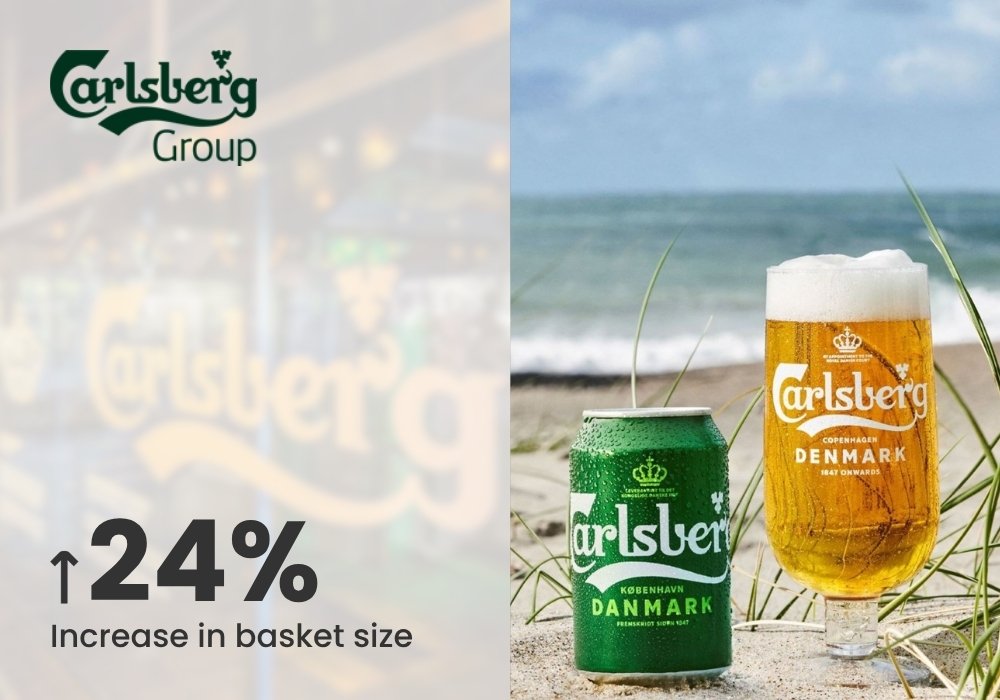
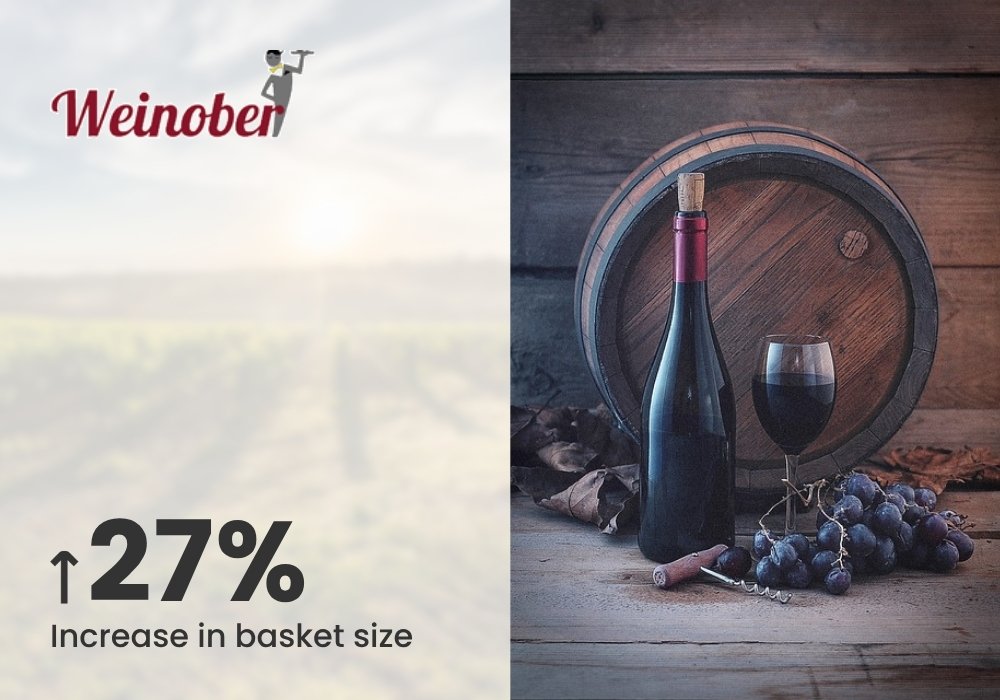
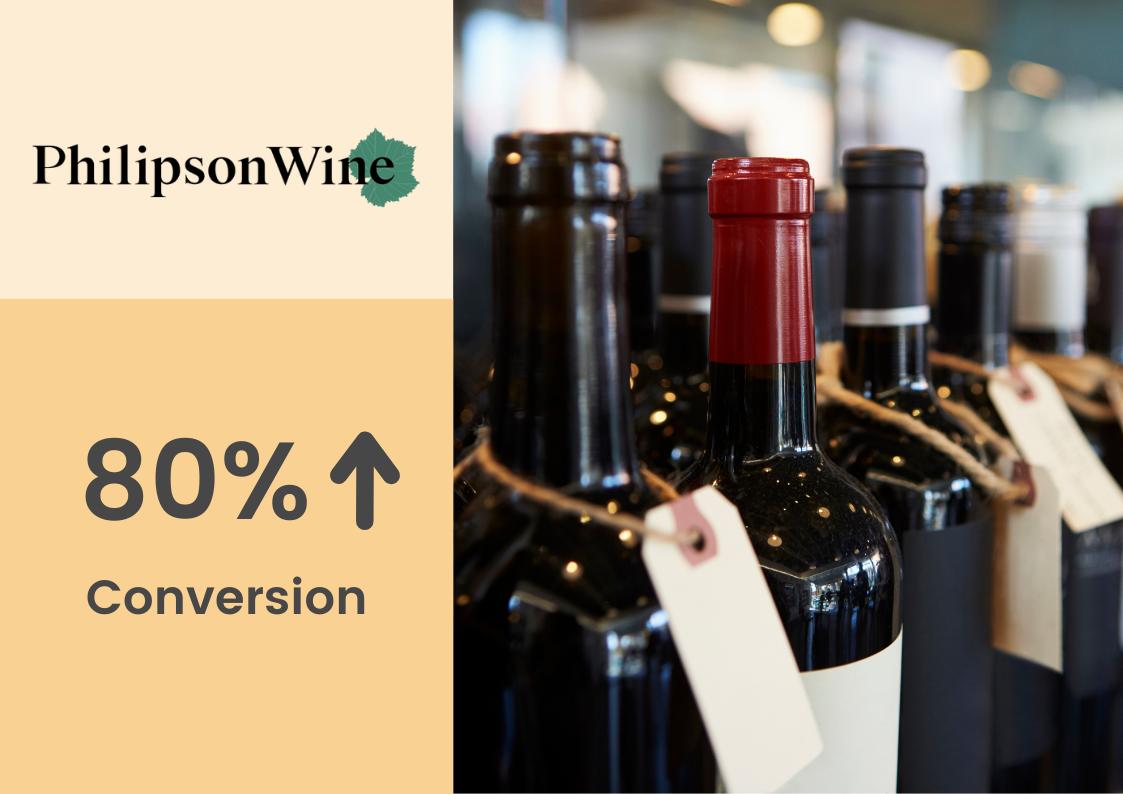
Carlsberg is a B2B beverage example; Weinober and Philipson Wine cover wine. They do not prove grocery substitution behavior or tobacco outcomes.
Your questions
A clear starting point.
What should we improve first?
Use query logs, support questions and order data to find the largest friction. For food and grocery, keep this constraint visible: Ingredients, pack size and availability must remain correct when a substitute is proposed. Start with one workflow and a measurable outcome.
What software is best for this industry?
The linked guides compare native options and relevant specialists. Choose by the actual task, integrations and available team—not by a universal ranking. Require a catalog demonstration and compare the complete cost.
Do we need all five products?
No. Pick the part of the journey with an observed gap. Keep an existing platform when it passes the test and remains maintainable. Add another product only when it solves a useful problem.
How should we measure success?
Use comparable eligible customers or visitors and a declared time window. Include returns, cancellations and the cost of the intervention. The best-practices guide explains the evaluation process.
Does a case study guarantee the same result here?
No. Read its industry, products, implementation and measurement context. The guides label adjacent examples and evidence gaps. Use a controlled test to establish an outcome for your own store.
For grocery catalogs
Keep dietary attributes, pack sizes, local stock and substitution rules explicit. Grocery is covered in this parent cluster; the search and recommendations guides contain the relevant evaluation tasks. Beverage cases are not grocery-substitution proof.
Grocery search and discovery →